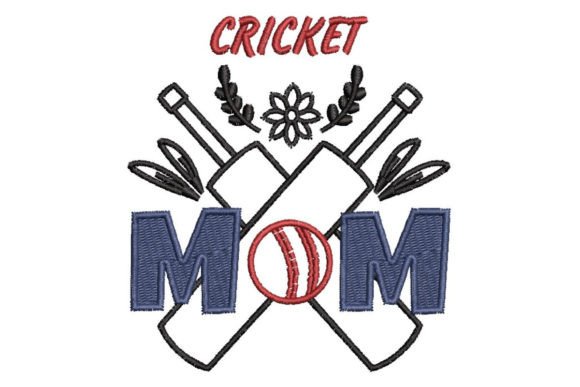
Cricket Mom: A Designer’s Review for Real Embroidery Projects
As an embroidery designer who has spent years digitizing patterns and testing them on everything from flimsy rayon to heavy denim, I approach every new machine embroidery design with a critical eye. It is not enough for a file to look good on a screen; it must hold up under the needle, survive the wash cycle, and appeal to the end customer. Recently, I evaluated the Cricket Mom design, a sports-themed asset that promises versatility across various applications. Here is my practical assessment of how this design performs in real-world scenarios, specifically for crafters, Etsy sellers, and boutique owners looking to expand their product lines.
First Impressions and Visual Personality
The first thing that strikes you about Cricket Mom is its clear thematic identity. In the crowded market of sports embroidery, specificity sells. This is not a generic "sports mom" graphic; it targets a niche audience with passion. The layout appears balanced, designed to sit comfortably on curved or flat surfaces without overwhelming the garment. For a designer, the visual personality here is warm yet energetic. It conveys pride and support, which are key emotional drivers for customers purchasing personalized gifts.
When I loaded the embroidery file into my editing software to inspect the stitch path, I looked immediately for potential jump stitches or unnecessary trims that could slow down production. The structure suggests a thoughtful digitization process. The balance between satin stitch borders and fill stitch areas seems well-considered, aiming for a clean finish that minimizes puckering. This is crucial because sports apparel often involves synthetic blends or performance fabrics that can be tricky to stabilize.
Real-World Application: The Tote Bag Test
To truly understand the value of Cricket Mom, I imagined a specific use case: a custom embroidered tote bag for a local cricket league’s end-of-season party. Tote bags are a staple for any small shop product line because they offer a large, stable canvas. Using a heavy cotton canvas, I assessed how the design would translate. The medium-to-large scale of the text and graphics in this design type typically reads well from a distance, making it ideal for bags carried at sporting events.
If you are an Etsy seller or run a craft business, consider the perceived value. A plain tote is worth five dollars; a tote with high-quality, relevant sweatshirt embroidery or bag detailing can sell for three times that amount. The Cricket Mom design adds that layer of personalization. It transforms a generic item into a badge of honor for the parent. The key here is thread choice. Using vibrant thread colors that contrast sharply with the fabric will make the design pop, while tonal threads might offer a more subtle, boutique aesthetic.
Apparel and Custom Gear
Beyond bags, this design is marketed for sweaters, hats, and towels. Let’s break down the apparel aspect. For a custom apparel project, such as a hoodie or a team jacket, placement is everything. The design’s proportions need to fit within the standard hoop sizes available to most home and semi-pro machines. Before committing to a final product, always check the specific dimensions provided in the file package. If the design is too wide, it may not fit on a standard 5x7 hoop, requiring you to split the design or use a larger machine.
For caps and hats, the curvature presents a challenge. A design with dense stitching can cause the fabric to pucker or the cap to lose its shape. If you plan to use Cricket Mom on headwear, ensure you are using a stiff stabilizer and possibly reducing the stitch density if your software allows for edits. The description notes that files are tested for stitch quality, which is reassuring, but every machine and fabric combination reacts differently. Always run a test stitch on a scrap piece of the same material.
Technical Considerations for Quality Results
While the design is pre-tested, successful embroidery is a partnership between the digital file and the physical setup. Here are the technical factors I prioritize when working with a new sports-themed digital embroidery file:
- Stabilizer Selection: Sports fabrics, especially those used for active wear, can be stretchy or slippery. A cut-away stabilizer is often safer than tear-away for garments that will undergo frequent washing and movement. This ensures the Cricket Mom design remains crisp and does not distort over time.
- Fabric Texture: On textured fabrics like terry cloth towels or fleecy sweatshirts, fine details can get lost. If the design includes small lettering or intricate outlines, consider using a topping sheet to keep the stitches on the surface of the fabric rather than sinking into the pile.
- Thread Contrast: The visual impact of this design relies heavily on color. When creating printable mockup images for your online store, test the design in both light and dark thread variations. A white design on a navy shirt looks classic, but a neon green on black might appeal to a younger, more energetic demographic.
- Hoop Size Compatibility: Verify the required hoop size before purchasing. If you only have a 4x4 hoop and the design requires a 5x7, you will face limitations. Check the product details for exact dimensions to avoid frustration during production.
Commercial Viability and Brand Consistency
For those using Cricket Mom in a commercial context, consistency is key. If you are building a brand around sports family gear, this design fits seamlessly into a broader collection. It can be paired with matching designs for "Cricket Dad" or "Cricket Player" to create bundle offers. Bundling increases the average order value and encourages customers to buy for the whole family.
However, be mindful of licensing. The product description mentions that files are tested, but it cuts off regarding alterations. Always confirm the license terms before selling finished items. Most designers allow the sale of physical finished products, but restrict the resale or sharing of the actual design assets or applique design files. Respecting these terms protects your business reputation and supports the digitizers who create these tools.
Avoiding Common Pitfalls
Even with a high-quality file, mistakes happen. Here is where caution is needed:
- Small Hoop Sizes: Do not attempt to shrink the design beyond its recommended limits. This increases stitch density relative to the size, leading to thread breaks and fabric bunching.
- Dark Fabrics: If stitching on dark fabric, ensure your bobbin thread matches the top thread or use a pre-wound bobbin in a neutral color to prevent white dots from showing through the back or edges.
- Wash Care: Educate your customers on how to care for their handmade product. Turning the garment inside out before washing helps preserve the integrity of the satin stitches and prevents snagging.
Final Verdict for Makers and Sellers
The Cricket Mom design is a solid addition to any library focused on sports and family themes. It addresses a specific niche with a professional finish, assuming proper technique is applied by the user. For the embroidery project manager or solo maker, it offers flexibility. Whether you are creating a personalized gift for a neighbor, stocking up for a holiday sale, or producing merchandise for a local team, this design holds up to scrutiny.
My advice is to start with a test run on scrap fabric. Check the tension, observe the coverage, and evaluate the look against your intended background. Once you dial in the settings, Cricket Mom can become a reliable staple in your portfolio, helping you deliver high-quality, emotionally resonant products that customers are proud to wear and share. In the world of commercial embroidery, reliability and relevance are currency, and this design delivers on both fronts.