Tiger Boy: A Craft Fair Seller’s Review
As an embroidery designer who has spent countless weekends behind a folding table at local markets, I have learned that not every design translates into a bestseller. Some designs are technically impressive but visually quiet. Others are chaotic and overwhelm the fabric. Then there are those rare gems that stop a passerby in their tracks. After reviewing the Tiger Boy machine embroidery design, I am convinced this piece belongs in that final category. It is not just a digitized image; it is a strategic asset for any handmade business owner looking to boost sales during the busy craft fair season.
First Impressions: Playful Charm with Commercial Appeal
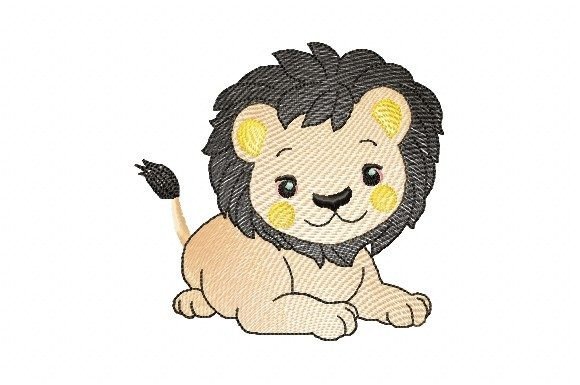
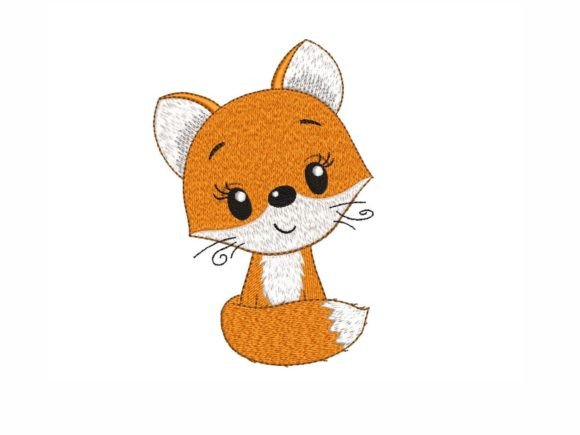
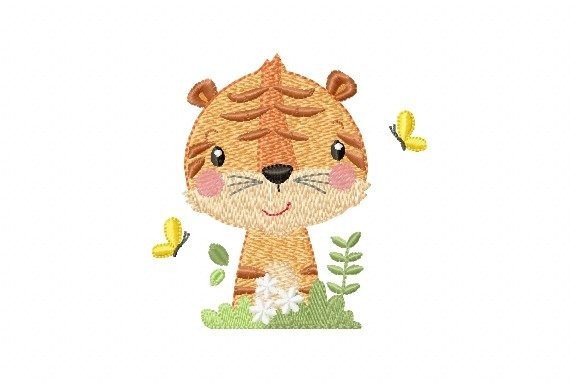
When I first loaded the Tiger Boy embroidery file into my software, the immediate impression was one of approachable warmth. The description promises a "friendly and playful accent," and the visual delivery matches that promise perfectly. In the world of Baby Animals embroidery, there is a fine line between cute and cluttered. This design walks that line with confidence. It feels soft yet distinct, making it ideal for a wide range of demographics, from new parents to grandparents looking for unique, handmade gifts.
For a craft fair seller, first impressions are everything. You have seconds to capture attention as people walk down the aisle. Tiger Boy has the kind of bold, recognizable silhouette that reads well from a distance. It does not rely on tiny, intricate details that get lost in a bustling market environment. Instead, it offers a clear, engaging focal point that invites customers to come closer and touch the fabric. This tactile engagement is often the precursor to a sale.
Strategic Product Placement for Maximum Sales
The versatility of this design is its strongest selling point. However, not all products will yield the same profit margin or customer interest. Based on my experience with similar commercial embroidery projects, here is how I would strategically deploy Tiger Boy across my product line:
- Tote Bag Design: This is perhaps the strongest contender. A canvas tote with Tiger Boy centered on the front becomes an instant impulse buy. Parents love durable, cute bags for diaper essentials or library trips. The design’s playful nature complements the casual utility of a tote.
- Apron Embroidery: Children’s aprons are high-margin items. Placing this design on a bib-style apron creates a cohesive, giftable set. It appeals strongly to the "proud parent" demographic who wants their little ones to look adorable while helping in the kitchen.
- Tea Towel Embroidery: Kitchen textiles are staple craft fair products. Because the design is described as adding a "friendly accent," it works beautifully on the corner or center of a flour sack towel. It transforms a basic household item into a decorative piece.
- Embroidered Patch: If you offer iron-on or sew-on patches, this design is ideal. Patches allow customers to customize their own denim jackets or backpacks. The compact nature of the tiger motif ensures it remains clear even at smaller sizes.
- Caps and Hats: Embroidering on curved surfaces can be tricky, but a focused design like this works well on the front panel of a child’s cap. It adds value to a blank hat, allowing you to charge a premium for the finished product.
Production Practicality and Batch Efficiency
For small shop owners and Etsy sellers, time is money. A design might look beautiful, but if it takes three hours to stitch and requires constant thread changes, it is not sustainable for batch production. While specific stitch counts are not provided in the brief, the description suggests a design optimized for children’s clothing, which typically implies efficient stitch paths and manageable run times.
When preparing for a craft fair, I recommend running test stitches on scrap fabric to verify the stitch density. If the density is too high, it can cause puckering, especially on lighter fabrics like cotton voile or thin tea towels. Conversely, if the density is too low, the underlying fabric might show through, reducing the perceived quality of the finished product. Tiger Boy appears to balance these elements, offering enough coverage to look premium without being overly dense.
Another critical factor is repeatability. Can you stitch ten of these in a day without losing your mind? Designs with excessive satin stitches or complex color blends can be frustrating. Look for clean underlay and logical color stops in your digital embroidery file. If Tiger Boy allows for quick hooping and minimal trimming, it becomes a powerhouse for your inventory building.
Navigating Technical Challenges and Fabric Choices
Even the best designs have limitations. To ensure your Tiger Boy products look professional, you must consider the interplay between the embroidery and the fabric texture. Here are some careful-use notes to keep in mind:
- Fabric Texture: Textured towels or thick fleece can obscure fine details. If the tiger has small facial features, test on your intended fabric first. Smooth cottons and canvas totes usually provide the crispest results.
- Thread Colors: Contrast is key. On dark fabric, ensure you are using bright, vibrant thread colors that pop. On white or cream fabrics, avoid threads that are too pale, as they may wash out in photographs.
- Stabilizer Selection: Always use the right stabilizer. For stretchy fabrics like t-shirts, a cut-away stabilizer is essential to prevent distortion. For woven fabrics like aprons or tote bags, a tear-away stabilizer is usually sufficient and easier to remove.
- Hoop Size: Confirm the hoop size required for the design. If it fits in a 4x4 hoop, you can maximize efficiency by multi-hooping. If it requires a 5x7 or larger, plan your production schedule accordingly.
Enhancing Brand Consistency and Visual Appeal
In a crowded marketplace, brand consistency helps build trust. If your brand identity is rooted in whimsical, high-quality handmade goods, Tiger Boy fits seamlessly. It reinforces the narrative of care and creativity. When customers see a consistent aesthetic across your tote bags, patches, and clothing, they perceive higher value.
Furthermore, this design performs exceptionally well in digital spaces. For the Etsy seller, creating a printable mockup or high-quality photograph of Tiger Boy on a neutral background can significantly boost click-through rates. The clear, friendly lines of the tiger translate well to screens, making it an effective tool for online marketing as well as physical displays.
Final Designer Notes for Success
Before you commit to producing a large inventory, take these final steps. First, always check the commercial licensing terms of your digital embroidery file. Ensure you have the right to sell finished products made with the design. Second, create at least one real mockup. Hold it up, step back, and view it from a distance. Does it grab your attention? Does it look balanced?
Finally, consider your target audience. Who is buying this? Is it a gift for a baby shower? A treat for a toddler? Understanding the buyer helps you price and position the item correctly. Tiger Boy is more than just a cute image; it is a versatile, market-ready design asset that, when used correctly, can become a staple of your craft fair booth. By focusing on practical application, quality production, and strategic display, you can turn this adorable embroidery into a reliable revenue stream for your creative business.