Cute Girl Embroidery: A Designer’s Practical Review
As an embroidery designer who has spent years digitizing patterns and testing them on everything from flimsy silk to heavy denim, I approach every new machine embroidery design with a mix of curiosity and skepticism. We have all been there: you download a file that looks adorable on the screen, only to find it turns into a tangled mess of thread breaks and puckering once it hits the hoop. That is why I took a close look at the Cute Girl design to see if it holds up in real-world production.
This isn’t just about aesthetics; it is about functionality. Whether you are an Etsy seller looking for your next best-seller or a hobbyist making a personalized gift, you need a design that stitches out cleanly and appeals to your target audience. Here is my honest assessment of how this design performs in a professional setting.
First Impressions and Visual Appeal
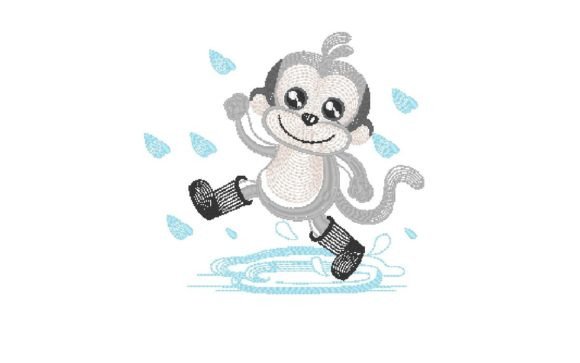
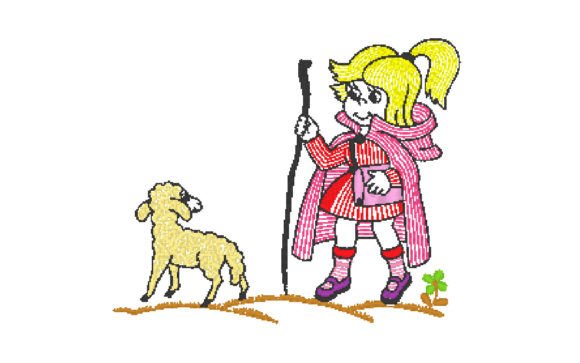
The first thing that strikes me about Cute Girl is its gentle, inviting mood. It does not rely on overly complex shading or aggressive detail, which is often a trap for beginner-friendly designs. Instead, it offers a clean layout that translates well into thread. The visual personality is soft and approachable, making it an excellent candidate for projects aimed at younger audiences or those seeking a touch of whimsy.
While the product category is listed under Boys, the versatility of the design allows it to cross traditional gender lines depending on your thread colors. A pastel palette might lean feminine, while primary blues, greens, or earth tones can easily make this a staple for boys' apparel. This flexibility is crucial for small shop product lines where you want to maximize the utility of a single digital embroidery file.
Real-World Application: The Tote Bag Test
To truly evaluate an embroidery project, you have to imagine it on a finished item. I envisioned using Cute Girl on a canvas tote bag design for a local craft fair. Canvas is forgiving, but it requires good density management. Because this design features a balanced mix of open space and filled areas, it avoids the "cardboard effect" that happens when too many fill stitches are packed into a small area.
I also considered its use in sweatshirt embroidery. Hoodies and crewnecks are thick, and the nap of the fabric can swallow small details. The bold outlines and clear shapes in this design ensure that the image remains recognizable even on textured fleece. For custom apparel businesses, this reliability is key. You do not want to spend twenty minutes stitching a piece only to realize the customer cannot tell what the image is from three feet away.
Versatility Across Product Lines
Beyond bags and sweatshirts, this design shows promise in several other areas:
- Baby embroidery: The soft aesthetic fits perfectly on onesies or burp cloths, provided you use a gentle stabilizer to protect delicate skin.
- Embroidered patch creation: The defined edges make it suitable for cutting out as an iron-on or sew-on patch, adding value to jackets or backpacks.
- Holiday embroidery: With seasonal color changes, this could easily become part of a Christmas or Easter collection without needing redesign.
- Nursery decor: Stitched onto a pillow cover or wall hanging, it adds a handmade touch that mass-produced items lack.
Technical Considerations for Designers
Now, let us talk about the technical side. The description notes that this machine embroidery design comes with multiple embroidery file formats. This is a standard and necessary feature, but it places the responsibility on you, the user, to select the correct format for your machine. Always verify compatibility before purchasing.
One critical aspect to monitor is stitch density. While I cannot give you the exact stitch count without seeing the specific file data, designs with this level of detail usually require a medium density. If you are stitching on thin fabric, such as a lightweight t-shirt or a silk blend, you must use a cut-away stabilizer. A tear-away might not provide enough support, leading to distortion around the curves of the design.
Additionally, pay attention to the transition between stitch types. A good design will seamlessly move from satin stitch borders to running stitch details. In my experience, poorly digitized files often have jagged transitions here. I recommend running a test stitch-out on scrap fabric that matches your final project material. Check for thread breaks, especially in tight corners or small internal details. If the design includes tiny elements, ensure your needle is sharp and your tension is perfectly balanced.
Where to Use Caution
No design is perfect for every situation. Here are a few scenarios where you should proceed with care when using Cute Girl:
- Small hoop sizes: If the design is large relative to a 4x4 hoop, you may lose detail or struggle with placement. Check the dimensions before committing.
- Dark fabric: If the design relies on light thread colors, ensure there is adequate underlay stitching to prevent the dark fabric from showing through the top stitches.
- Curved surfaces: Stitching on caps or hats requires specialized hooping. The design’s layout should be checked to ensure it does not distort when applied to a curved brim or panel.
- Frequent washing: For items like kitchen towels or baby clothes that undergo heavy laundering, secure all thread tails properly and consider using a water-soluble topping if the fabric is prone to sinking.
Boosting Brand Value and Customer Trust
For craft business owners, the quality of your design assets directly impacts your brand reputation. A clean, professional-looking stitch-out builds customer trust. When a buyer receives a finished product that looks crisp and well-executed, they are more likely to leave a positive review and return for future purchases.
Using a versatile design like Cute Girl allows you to create a cohesive collection. You can offer it on various items—aprons, tote bags, and shirts—creating a recognizable brand aesthetic. Furthermore, creating high-quality printable mockup images of this design on different products can significantly boost engagement on social media and online marketplaces. Show your customers how the design looks in context, and you will see higher conversion rates.
Final Verdict and Licensing Notes
In conclusion, Cute Girl is a solid addition to any embroiderer’s library. It balances charm with practicality, making it suitable for both commercial embroidery and personal projects. Its adaptability across different fabrics and product types makes it a valuable tool for creative entrepreneurs who need reliable designs that sell.
However, always remember to check the licensing terms. Just because a file is available in multiple formats does not automatically grant you the right to sell finished items or redistribute the digital file. Confirm whether the license covers small business merchandise or if it is for personal use only. Respect intellectual property, and you will build a sustainable, ethical business.
Before you start your next big batch, take the time to test, adjust, and perfect your settings. The difference between a good product and a great one often lies in those small, careful adjustments. Happy stitching!