Fruits Embroidery Design: A Boutique Sweatshirt Review
As an embroidery designer who has spent years refining digitizing techniques for small clothing brands, I approach every new machine embroidery design with a critical eye. It is not just about whether the file runs smoothly; it is about how the final stitched product elevates the garment. Recently, I had the opportunity to test the Fruits design for a limited-edition sweatshirt drop for a local boutique brand. The goal was simple: create a collection that feels playful yet premium, suitable for the modern consumer who values handmade quality.
The Fruits design promises to be a quick and easy way to add personality to fabric. But does it hold up under the scrutiny of commercial apparel production? In this review, I will break down how this Embroidery asset performs on various garments, discuss technical considerations for sweatshirt embroidery, and explore how it can enhance your brand identity.
First Impressions: Mood and Aesthetic Appeal
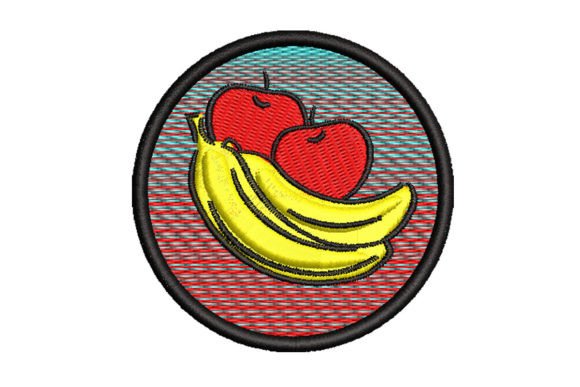
Upon loading the digital embroidery file into my software, the first thing that struck me was the versatility of the layout. The design captures the essence of the Food category without being overly literal or cartoonish. It strikes a balance between cute and decorative, making it suitable for a wide demographic. For a boutique brand, this is crucial. You do not want a design that screams "children's wear" unless that is your specific niche. Fruits manages to feel fresh and vibrant, offering a touch of whimsy that appeals to young adults and families alike.
The stitching personality appears clean and intentional. When visualizing the finished product, I imagined the design sitting comfortably on a neutral cream sweatshirt. The contrast between the bright thread colors and the soft fabric texture creates an immediate visual hook. It feels casual enough for everyday wear but detailed enough to justify a higher price point. This duality is what makes it a strong contender for custom apparel lines.
Styling Fruits for Sweatshirts and Hoodies
One of the strongest aspects of this design is its adaptability across different garment styles. During my testing phase, I mapped out several placement strategies to see where Fruits would shine brightest.
- Chest Placement: On oversized hoodies, a left-chest placement works beautifully. It acts as a subtle brand accent, similar to high-end streetwear labels. The design is compact enough not to overwhelm the torso but distinct enough to be noticed.
- Sleeve Accents: For a more trendy look, I experimented with placing the design on the lower sleeve of a crewneck sweatshirt. This unexpected placement adds a modern twist to basic apparel, making the item feel like a unique handmade product rather than mass-produced merchandise.
- Back Designs: While the description suggests it is quick and easy, scaling it up for a larger back print requires careful attention to stitch density. However, as a central focal point on a pastel-colored hoodie, it creates a bold, feminine statement that photographs incredibly well for social media.
For Etsy sellers and small shop product creators, this versatility is a goldmine. You can create a cohesive collection using the same embroidery file across different colorways—think sage green, dusty rose, and charcoal gray. The design’s ability to pop against dark fabric while remaining elegant on light tones makes it a reliable asset for seasonal drops.
Technical Considerations for Commercial Use
Moving from aesthetics to execution, let us discuss the practical concerns of using Fruits in a production environment. As a designer, I always prioritize durability and finish quality. Here are the key factors I evaluated:
Fabric Texture and Stabilizer Choice
Sweatshirts and hoodies typically feature a thicker, looped fabric texture. This requires a sturdy stabilizer to prevent puckering. I recommend using a medium-weight cut-away stabilizer for best results. Because the design is described as a quick way to add personality, it likely avoids excessive stitch buildup, which is beneficial for maintaining the softness of the garment. However, always test on your specific fabric blend. If you are using a heavy fleece, ensure your needle size is appropriate to penetrate the layers without causing damage.
Thread Colors and Contrast
The vibrancy of Fruits relies heavily on your choice of thread colors. For a premium look, avoid using standard primary colors. Instead, opt for matte or variegated threads that complement the natural tones of fruit. For example, use a deep burgundy instead of bright red, or a muted leaf green instead of neon. This subtle shift in palette elevates the design from crafty to boutique-ready. Check your machine’s tension settings to ensure the satin stitches lie flat and smooth against the fabric.
Stitch Density and Readability
When scaling down for smaller items like bags or hats, readability becomes a concern. The design must remain clear at smaller sizes. Before committing to a large production run, stitch out a sample at the smallest intended size. If the details merge or become muddy, you may need to adjust the scale or simplify the color stops. For commercial embroidery, consistency is key. Ensure that the hoop size you select provides enough stability for the entire design area without requiring re-hooping.
Enhancing Brand Identity and Product Value
Beyond the technical specs, consider how Fruits contributes to your brand narrative. In the crowded marketplace of online retail, visual recognition is vital. A distinctive embroidery design can become a signature element of your brand. When customers see that specific fruit motif, they should immediately associate it with your shop’s quality and style.
Using this design in your printable mockup previews and lifestyle photography can significantly boost customer engagement. High-quality images showing the texture of the stitches on a cozy sweatshirt convey trust. Buyers want to see that the design assets translate well into physical goods. By showcasing the Fruits design on various items—clothing, home decor, and bags—you demonstrate the versatility of your offerings, encouraging larger basket sizes.
Furthermore, the perceived value of an embroidered item is generally higher than a printed one. The tactile nature of embroidery suggests care and craftsmanship. By integrating Fruits into your line, you are not just selling a sweatshirt; you are selling a piece of wearable art. This justification allows for healthier profit margins, which is essential for sustaining a boutique brand.
Final Verdict for Creative Entrepreneurs
The Fruits embroidery design is a solid addition to any creative entrepreneur’s library. It balances ease of use with aesthetic appeal, making it ideal for both beginners and experienced decorators. Whether you are an Etsy seller looking to expand your catalog or a established brand seeking fresh seasonal designs, this file offers the flexibility needed for modern apparel.
Remember, while the description highlights its ease, always verify the specific technical details such as exact stitch count, recommended hoop size, and license terms before starting production. These details are not explicitly provided in the brief description, so checking the accompanying documentation is a necessary step. Once verified, Fruits can serve as a cornerstone for a charming, high-quality collection that resonates with customers seeking unique, handmade-style apparel.
In conclusion, if you are looking to inject some playful energy into your next hoodie design or sweatshirt series, this Food-themed Embroidery pattern is worth considering. It delivers on its promise of adding personality, ensuring your finished products stand out in a saturated market.