Review: Happy Hallowee Dancing Skeleton Design
As an embroidery designer who spends the late summer and early autumn months curating collections for the upcoming holiday rush, I am always on the lookout for digital files that balance whimsy with technical reliability. This season, I took a close look at the Happy Hallowee Dancing Skeleton machine embroidery design to determine if it deserves a spot in my seasonal product lineup. For Etsy sellers, small shop owners, and handmade gift makers, selecting the right motif is about more than just aesthetics; it is about ensuring the final product holds up to customer expectations while capturing the festive spirit of the occasion.
First Impressions and Seasonal Mood
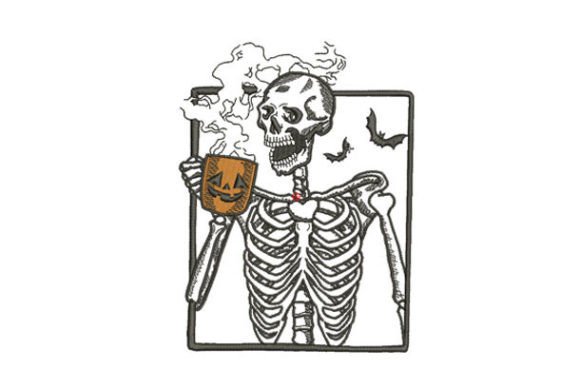
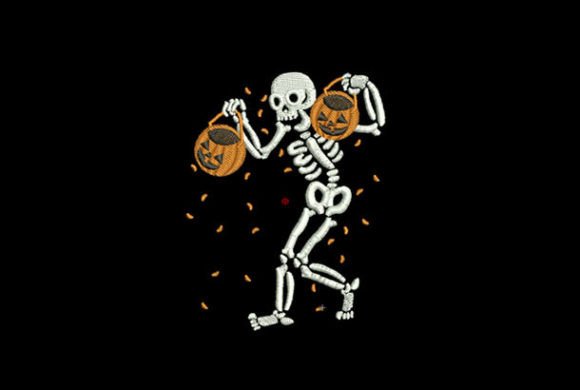
The first thing that strikes you about the Happy Hallowee Dancing Skeleton is its playful energy. Unlike darker, gothic interpretations of skeletal figures, this design leans heavily into a cute and nostalgic aesthetic. It feels approachable, making it an excellent choice for family-friendly Halloween decor and apparel. The decorative style suggests a modern twist on classic holiday motifs, avoiding the overly scary elements that might limit its appeal to a broader audience. For crafters looking to create items that feel cozy rather than chilling, this design hits the right emotional tone. It evokes a sense of fun and celebration, which is crucial when targeting customers who view the holiday as a time for community and lighthearted festivities.
From a visual standpoint, the design appears to have a balanced level of detail. It is intricate enough to look premium on a finished product but not so dense that it becomes a stitching nightmare on textured fabrics. This balance is vital for maintaining efficiency in a small business environment where time is money. The silhouette likely offers strong visual recognition, ensuring that your products stand out in crowded social media feeds or on busy craft fair tables.
Strategic Product Applications
When planning a seasonal shop collection, versatility is key. I evaluated how the Happy Hallowee Dancing Skeleton would perform across various popular product categories. Here is where this design shines:
- Sweatshirt Embroidery: This is perhaps the strongest application. The playful nature of the skeleton pairs perfectly with oversized, cozy hoodies or crewnecks. It appeals to teens and adults alike who want festive yet wearable apparel.
- Tote Bag Design: Canvas totes are staple items for fall markets. Placing this design centrally on a natural or black canvas bag creates an instant bestseller for trick-or-treaters or grocery shoppers looking for seasonal flair.
- Kitchen Towel Embroidery: Home decor items like flour sack towels benefit from lighter, airy designs. If the stitch density is managed well, this skeleton can add a charming touch to kitchen linens without making the fabric stiff or unusable.
- Pillow Cover Accents: A single embroidered skeleton on a corner of a throw pillow cover can elevate a simple home decor item into a personalized gift that customers are willing to pay a premium for.
- Embroidered Patch Creation: For those who do not want to commit to permanent embroidery on garments, digitizing this as an iron-on or sew-on patch allows for greater flexibility and lower risk for the buyer.
Additionally, consider using this motif for limited edition apparel drops or matching family sets. The "dancing" aspect suggests movement and joy, making it ideal for group photos and social media previews. When creating printable mockups for your Etsy listings, ensure you showcase the design on both light and dark fabrics to demonstrate its adaptability.
Technical Considerations for Execution
While the artistic appeal is strong, practical execution requires attention to detail. As an experienced designer, I advise checking several technical aspects before running a large batch of commercial embroidery orders. First, verify the hoop size requirements. If the design is large, ensure your machine can accommodate it without excessive re-hooping, which can lead to alignment issues. For smaller items like baby onesies or curved caps, you may need to resize the file, but be cautious. Reducing the size too much can cause tiny lettering or fine details to merge, resulting in a messy finish.
Stitch density is another critical factor. On thick towels or heavy sweatshirts, a high-density design can cause puckering. Always use the appropriate stabilizer—cut-away for stretchy garments and tear-away for stable woven fabrics like tote bags. Test thread colors on both light and dark fabric before finalizing your product line. While black thread on white fabric is classic, consider using metallic thread for a premium look, but test it first to ensure it does not break or shred during high-speed stitching.
Fabric texture also plays a role. On fuzzy fleece or terry cloth, the details of the dancing skeleton might get lost. In such cases, using a topping stabilizer can help the stitches sit on top of the fibers, preserving the clarity of the design. Remember, the goal is a clean, professional finished product that reflects well on your brand consistency.
Maximizing Seasonal Appeal and Sales
The Happy Hallowee Dancing Skeleton is not just a design; it is a tool for driving engagement during the peak holiday shopping period. Buyers are often driven by emotion and the desire for unique, handmade gifts. By incorporating this design into gift bundles—such as a matching tote bag and apron set—you increase the perceived value and encourage larger purchases. Personalized gifts featuring this motif, perhaps with a name added below the skeleton, can command higher prices and foster customer trust through exclusivity.
For digital embroidery file buyers, the promise of multiple file formats is a significant selling point. Ensure that your listing clearly states which formats are included, as this reduces customer service inquiries. If you are selling the physical embroidered items, highlight the quality of the stitch work in your product descriptions. Use terms like "premium machine embroidery design" and "carefully tested for durability" to reassure customers.
Visual recognition is crucial in a saturated market. The distinct pose of the dancing skeleton helps your products stand out against generic pumpkin or ghost motifs. Use this uniqueness in your marketing materials. Create dynamic social media posts showing the design in action—on a child’s jacket, a kitchen towel, or a decorative pillow. Show the behind-the-scenes process of stitching to build a connection with your audience and highlight the craftsmanship involved.
Final Designer Notes
Before adding the Happy Hallowee Dancing Skeleton to your inventory, conduct a thorough review. Check the commercial licensing terms provided with the digital embroidery file to ensure you are compliant when selling finished seasonal products. Confirm the exact stitch count and recommended hoop sizes, as these details are not explicitly provided in the brief description but are essential for production planning.
Create realistic mockups that show the design in context. A flat image is good, but a photo of the design on a worn-in sweatshirt or a folded kitchen towel tells a better story. Review small details after stitching your test samples. Look for loose threads, jumps, or areas where the color transitions are abrupt. Adjust your tension and thread choices accordingly.
In conclusion, this design offers a blend of festive charm and practical versatility. It fits seamlessly into a modern Halloween collection, appealing to a wide demographic of buyers looking for cute, high-quality holiday embroidery. By paying attention to technical details like stabilizer choice, fabric texture, and stitch density, you can transform this digital file into a profitable line of handmade gifts and home decor items. Whether you are an established Etsy seller or a new crafter entering the market, the Happy Hallowee Dancing Skeleton has the potential to be a standout performer in your seasonal lineup.