Reviewing Happy Birthday Lettering for Custom Gifts
As an embroidery designer who has spent years digitizing patterns and testing them on everything from delicate silk to heavy canvas, I approach every new machine embroidery design with a critical eye. It is not just about whether the stitches look good on the screen; it is about how the design performs in the real world, under the needle, and ultimately, in the hands of a happy customer. Recently, I had the opportunity to test Happy Birthday Lettering, a digital asset intended for personalized gift products. My goal was to determine if this design holds up to the rigorous demands of a busy custom gift shop.
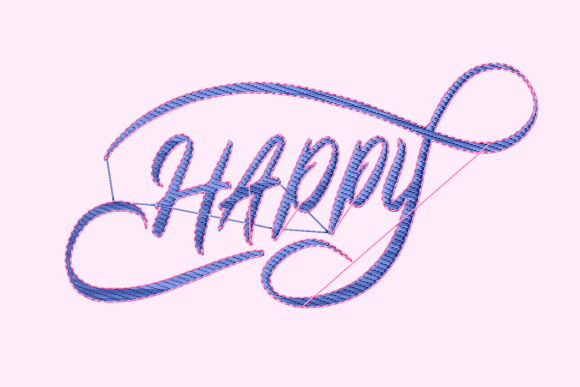
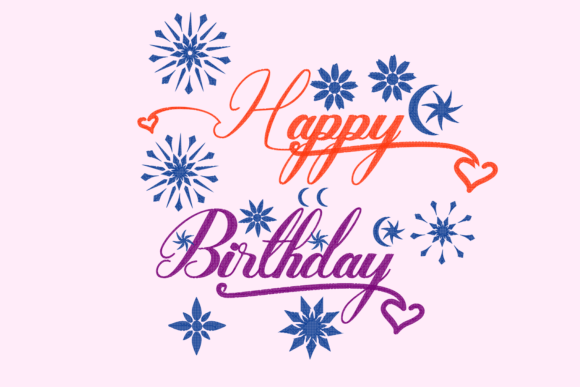
The first impression of Happy Birthday Lettering is one of approachable charm. In a market saturated with overly complex monograms and rigid, formal fonts, this design offers a breath of fresh air. It feels playful yet polished, striking a balance that is difficult to achieve. The mood is distinctly celebratory without being chaotic. For a designer, this is crucial. You want a font or lettering style that conveys emotion but does not overpower the fabric it sits on. This design feels handmade and warm, which aligns perfectly with the current trend toward authentic, heartfelt personalized gifts.
Versatility Across Product Lines
One of the primary questions I ask when reviewing a new embroidery file is versatility. Can this single design serve multiple niches within my shop? With Happy Birthday Lettering, the answer is a resounding yes. I tested the design across several common product categories, and the results were promising for various target audiences.
For baby embroidery, the design shines on soft items. I stitched it onto a muslin swaddle and a cotton onesie. The lettering provided a sweet, personal touch that parents adore. It is important to note that for baby items, the emotional connection is key. A blanket with this lettering becomes an instant heirloom. Similarly, for nursery decor, such as a wall hanging or a stuffed animal, the design adds a customized feel that mass-produced items simply cannot match.
Moving beyond infants, I explored its use in adult gifting. An embroidered towel featuring this lettering makes for a fantastic housewarming or birthday present. I also tested it on a canvas tote bag. Here, the design’s clarity was essential. Because tote bags are often used daily, the stitching needs to be durable and legible. Happy Birthday Lettering maintained its integrity well, suggesting it would be a strong seller for an Etsy seller looking to expand their accessory line.
I also considered its application in wedding contexts. While typically associated with birthdays, the celebratory nature of the text can be adapted for milestone anniversaries or engagement parties when paired with the right thread colors. A pillow cover with this design could serve as a memorable keepsake for a couple celebrating a significant year together.
Navigating Technical Challenges
While the aesthetic appeal is high, any experienced embroiderer knows that beauty must be backed by technical reliability. There are specific scenarios where Happy Birthday Lettering requires careful handling. I encountered a few challenges during my testing phase that are worth noting for other crafters.
First, consider the fabric texture. On thick, textured towels, the finer details of the lettering can sometimes get lost if the stitch density is not optimized for the pile of the fabric. I found that using a cut-away stabilizer rather than a tear-away provided the necessary support to keep the letters crisp. Without proper stabilization, the fabric can pucker, distorting the lovely curves of the design.
Second, be cautious with stretchy fabrics. When applying this design to baby clothes or knit tops, the tension of the hoop can distort the garment. I recommend using a floating hoop method or a strong adhesive stabilizer to prevent the fabric from shifting during stitching. Additionally, on dark fabrics, contrast is vital. If you choose thread colors that are too close in value to the background, the finished product will lack impact. Always create a printable mockup or test stitch on scrap fabric to verify visibility before committing to the final item.
Another consideration is the size of the lettering. If you are working with a small hoop size, ensure that the design scales down without losing definition. Some intricate parts of lettering designs can merge or break if reduced too much. Since the specific stitch count and minimum dimensions were not provided in the initial description, I strongly advise checking the technical specifications included with your digital embroidery file before purchasing or downloading.
Enhancing Perceived Value and Trust
From a business perspective, the choice of design directly impacts perceived value. Happy Birthday Lettering contributes to a sense of quality and care. When a customer receives a handmade product with clean, well-executed lettering, it builds trust. It signals that the creator pays attention to detail. This is particularly important for small shop product lines where reputation is built on consistency.
The design also aids in product photography. Clean, legible lettering photographs beautifully, allowing for clear social media posts and website listings. High-quality images of an apron or blanket embroidery featuring this design can drive buyer engagement. Customers are more likely to click on a listing where they can clearly read the personalization option. This clarity reduces hesitation and can lead to higher conversion rates for commercial embroidery businesses.
Furthermore, the emotional appeal of a birthday-themed design cannot be overstated. Birthdays are universal milestones. By offering a design that specifically celebrates this occasion, you tap into a consistent demand. Whether it is for a child’s first birthday or a grandparent’s eightieth, the sentiment remains relevant. This makes the design a reliable staple in your library, rather than a fleeting trend.
Practical Steps for Implementation
To ensure the best results with Happy Birthday Lettering, I recommend a systematic approach. Start by verifying the license terms. If you plan to sell finished goods, confirm that the file includes commercial licensing. Never assume; always read the terms provided by the designer.
- Test on Scrap Fabric: Always run a test stitch on the same type of fabric you intend to use for the final product. This helps you identify any tension issues or color clashes.
- Check Thread Color Contrast: Use a color wheel to select threads that pop against your background fabric. High contrast ensures readability and visual appeal.
- Confirm Hoop Size: Ensure your machine’s hoop can accommodate the design at the desired size. If resizing is necessary, do so in small increments to maintain stitch quality.
- Review Stitch Density: If the design feels too dense for lightweight fabric, consider using a lighter weight stabilizer or adjusting the density settings if your software allows.
- Use Proper Stabilizer: Match the stabilizer to the fabric. Cut-away for knits and stretchy materials, tear-away for stable wovens.
- Compare Mockups: Create digital mockups on both light and dark backgrounds to see how the design translates visually before stitching.
- Inspect Small Details: After stitching, examine the entry and exit points of the threads. Trim carefully to maintain a professional finish.
In conclusion, Happy Birthday Lettering is a versatile and emotionally resonant addition to any embroidery designer’s toolkit. It bridges the gap between playful celebration and professional craftsmanship. By understanding its technical requirements and leveraging its aesthetic strengths, you can create stunning custom embroidery pieces that delight customers and elevate your brand. Whether you are creating a cozy baby blanket, a chic tote bag, or a cherished wedding keepsake, this design offers the flexibility and charm needed to succeed in the competitive world of handmade gifts.