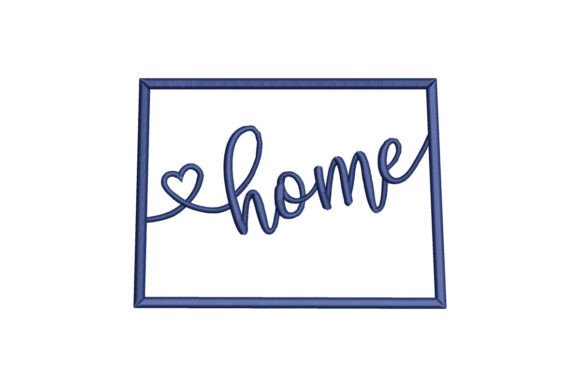
Wyoming State Embroidery Design Review
As an embroidery designer who has spent years digitizing and testing files for small business merchandise, I approach every new machine embroidery design with a critical eye. It is not just about whether the image looks pretty on a screen; it is about how it translates to fabric, how it holds up in the wash, and how it elevates a brand. Recently, I reviewed the Wyoming State of United States embroidery file, specifically evaluating its potential for commercial use in North America. This piece explores how this design performs when applied to real-world products like patches, uniforms, and branded accessories.
First Impressions: Visual Personality and Brand Fit
The first thing I look for in a regional or state-themed design is its tonal balance. Does it feel rustic and rugged, or clean and modern? The Wyoming State of United States design strikes a balance that feels both classic and professional. For businesses operating in or inspired by the American West, this aesthetic is crucial. It does not scream "tourist souvenir" in a cheap way; instead, it offers a dignified representation suitable for higher-end boutique merchandise.
For a handmade brand or a local creative studio, this visual personality is a strong asset. It conveys a sense of place and pride. When I imagine this stitched onto a canvas tote or a denim jacket, it reads as intentional and curated. This is vital for small business owners who rely on brand identity to differentiate themselves. A design that looks amateurish can undermine customer trust, but one that appears well-digitized and thoughtful adds perceived value to the finished product.
Real-World Applications for Small Business Merch
The versatility of this design is its strongest selling point. In my review, I considered several common applications for small business merch and how the design handles each scenario.
Embroidered Patches and Badges
Patches are currently a huge trend in the apparel industry. They allow customers to customize their own garments, which increases engagement. The Wyoming State of United States design works exceptionally well as an embroidered patch. Because state shapes are generally recognizable silhouettes, they translate well to the medium. However, the success of a patch depends heavily on the border and internal detail. If the design includes fine lines, they must be thick enough to survive the cutting process. For a café or bakery, these patches could be sold as add-ons or used to brand staff aprons, creating a cohesive look that feels artisanal rather than corporate.
Custom Apparel and Uniforms
For custom apparel, such as work shirts or polo uniforms, placement is key. This design is ideal for a left-chest logo accent. It is small enough to be subtle yet distinct enough to be recognized from a distance. I envision this working beautifully for a florist or pet brand that wants to highlight their local roots. The design’s simplicity ensures it does not overwhelm the garment. When used on apron embroidery, it serves as a mark of quality, suggesting that the service provider takes pride in their craft and their community.
Caps and Tote Bags
Cap embroidery presents unique challenges due to the curved surface and limited space. The Wyoming shape is compact, making it a strong candidate for the front panel of a dad hat or trucker cap. Similarly, as a tote bag design, it can serve as a central focal point. For Etsy sellers and crafters, offering tote bags with this regional motif taps into the "shop local" sentiment that drives much of the handmade market. The design acts as a conversation starter, reinforcing the connection between the buyer and the region.
Technical Considerations and Stitch Density
While the aesthetic appeal is high, technical execution is where many designs fail. As a designer, I always advise checking the stitch density before running a full production batch. If the Wyoming State of United States file has too high a density, it can cause puckering, especially on lighter fabrics like cotton tees or linen tote bags. Conversely, if the density is too low, the fabric underneath may show through, ruining the visual impact.
Another critical factor is the choice of stabilizer. For items that will undergo frequent washing, such as staff uniforms or kitchen aprons, a cut-away stabilizer is often necessary to maintain the integrity of the stitches. For decorative items like framed art or pillows, a tear-away might suffice, but durability should always be prioritized for merchandise. I recommend testing the design on the exact fabric texture you plan to use. Dense canvas behaves differently than soft jersey, and the tension settings on your machine may need adjustment to prevent distortion.
Where to Use Caution
Not every application is suitable for every design. With the Wyoming State of United States file, caution is needed when scaling down. If you attempt to shrink this design for a tiny label or a small pocket detail, intricate details may merge or break. Always check the minimum recommended size provided with the digital embroidery file. Additionally, be mindful of thread colors. While multicolor designs are vibrant, they increase production time and complexity. For a sleek, modern look, consider stitching this design in a single contrasting color against dark uniforms or neutral tones. This monochromatic approach often looks more premium and reduces the risk of thread breaks during production.
Enhancing Brand Identity and Customer Trust
Ultimately, the goal of using this design is to strengthen brand identity. Consistency is key. If your brand values authenticity and local heritage, this design reinforces that message every time a customer sees it. It builds recognition and trust. When a customer receives a high-quality handmade product featuring a well-executed embroidery design, their perception of your brand’s professionalism increases. This can lead to higher customer retention and positive word-of-mouth marketing.
For product designers and merch creators, this design can be part of a larger suite of design assets. Pairing it with other regional motifs or typography can create a cohesive collection. Creating a printable mockup before production allows you to visualize how the design sits on different products, ensuring visual consistency across your inventory. This step is essential for presenting a polished image to potential wholesale clients or online buyers.
Practical Designer Notes for Production
Before you commit to a large run of commercial embroidery, follow these practical steps:
- Test in Black and White: Stitch the design in a single color first to evaluate the clarity of the shape and the quality of the digitizing without the distraction of color changes.
- Check Hoop Size Compatibility: Ensure the design fits comfortably within your standard hoop size without requiring excessive re-hooping, which can lead to alignment issues.
- Verify Licensing: Always confirm the commercial licensing terms associated with the Wyoming State of United States file. Ensure you have the right to sell items made with this design.
- Inspect Spacing and Connections: Look for jump stitches or loose threads in the test stitch-out. Clean finishing is what separates professional merchandise from amateur crafts.
- Compare with Brand Assets: Place the stitched sample next to your logo and other branding materials to ensure the style and weight of the embroidery complement your overall visual identity.
In conclusion, the Wyoming State of United States embroidery design is a versatile and valuable tool for small business owners in North America. Whether used for cap embroidery, branded patches, or boutique apparel, it offers a professional way to celebrate regional pride. By paying attention to technical details like stabilizer choice and stitch density, you can ensure that every finished product meets the high standards your customers expect. This design is not just decoration; it is a strategic asset for building a recognizable and trusted brand.