Black Cat on Broomstick Halloween Design Review
As an embroidery designer who has spent years digitizing and reviewing files for commercial use, I approach every new machine embroidery design with a critical eye. It is not enough for a motif to be cute; it must be functional, durable, and versatile enough to serve the needs of small business owners. Today, I am taking a close look at the Black Cat on Broomstick Halloween design. This piece promises to beautifully complement t-shirts, dresses, scarves, and home decor, but does it hold up under the scrutiny of professional production? For boutique owners, Etsy sellers, and apparel decorators, the answer lies in how well this digital asset translates into a tangible finished product.
First Impressions: Visual Personality and Brand Fit
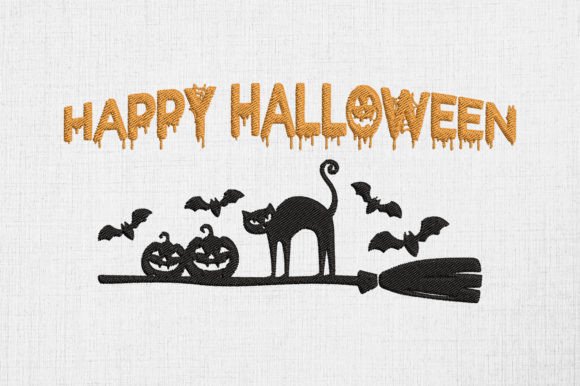
The immediate appeal of the Black Cat on Broomstick Halloween motif is its thematic clarity. In the world of seasonal merchandise, clarity is king. Customers scanning a rack of goods or browsing an online store need to understand the vibe instantly. This design leans into a playful yet classic aesthetic. It avoids the overly grotesque or hyper-realistic styles that can alienate broader audiences, opting instead for a friendly, whimsical silhouette.
For a creative studio, bakery, or pet brand looking to capitalize on October sales, this visual personality is ideal. It feels handmade and approachable rather than mass-produced. When I visualize this as part of a brand identity, I see it working exceptionally well for businesses that want to appear community-focused and fun. It is not just a holiday graphic; it is a statement piece that suggests the maker cares about detail and tradition. However, designers must ensure that the "playful" aspect does not drift into "childish" if the target demographic is adult-oriented luxury goods. The line work and fill patterns will determine whether this reads as premium or novelty.
Real-World Applications for Small Business Merch
The true test of any digital embroidery file is its versatility across different substrates. The product description notes that this design comes with multiple embroidery file formats, which is a crucial feature for professionals who work with various hoop sizes and machines. Here is how I envision this design performing in real business scenarios:
- Embroidered Patches: This is perhaps the strongest use case. A black cat on a broomstick creates a distinct shape that cuts well. For handmade shops, selling these as iron-on or sew-on patches allows customers to customize their own jackets or bags, increasing engagement without requiring the seller to manage inventory of finished garments.
- Apron Embroidery: For bakeries, florists, and cafés, branded aprons are walking advertisements. Placing this design on the chest pocket or lower corner of a dark canvas apron adds a seasonal touch that staff can wear throughout October. It humanizes the brand and sparks conversation with customers.
- Tote Bag Design: Canvas tote bags are staples for boutique merchandise. The high contrast of a black cat against natural or colored canvas works well, provided the stitch density is managed correctly to prevent puckering. This serves as an excellent upsell item at checkout counters.
- Cap Embroidery: Using this on the front or side of a baseball cap requires careful scaling. If the design includes fine details, they may get lost on the curved surface of a cap. However, as a simplified silhouette, it can serve as a subtle, stylish accent for streetwear brands.
- Custom Apparel: From t-shirts to dresses, the design’s ability to complement clothing depends on placement. A left-chest placement on a hoodie feels professional, while a large back print makes a bold statement for event merch or team uniforms.
Navigating Technical Challenges and Fabric Textures
While the aesthetic is strong, technical execution is where many small businesses stumble. When working with a machine embroidery design featuring dark elements like a black cat, thread choice and fabric texture become paramount.
One major consideration is stitch density. If the design is too dense, it can cause perforation in lightweight fabrics like scarves or thin t-shirts. Conversely, if it is too sparse, the underlying fabric might show through, ruining the solid black appearance of the cat. I always advise running a test stitch-out on the exact fabric you intend to use. For dark uniforms or black apparel, you may need to use a metallic or contrasting thread for the broomstick to ensure the design does not disappear into the background.
Additionally, consider the hoop size limitations. While the file formats are varied, you must confirm that the design fits within your standard hoops without excessive resizing, which can distort proportions. For items that require frequent washing, such as staff uniforms or baby clothes, the stability of the stitches is critical. Using the correct stabilizer—likely a cut-away for stretchy fabrics or a tear-away for wovens—is non-negotiable to maintain the integrity of the embroidered patch or direct stitch over time.
Impact on Brand Identity and Customer Trust
Consistency in design assets builds trust. When a customer sees the same high-quality Black Cat on Broomstick Halloween motif on your packaging, your social media printable mockup, and the actual product, it reinforces professionalism. Sloppy embroidery with loose threads or misaligned colors signals a lack of attention to detail, which can deter repeat buyers.
By investing time in perfecting this design’s application, you elevate the perceived value of your small business merch. It transforms a simple seasonal item into a collectible piece of handmade product art. For Etsy sellers, high-resolution photos of the embroidered texture can significantly boost conversion rates, as buyers crave the tactile quality that embroidery provides over printed vinyl or screen printing.
Practical Designer Notes for Production
Before launching this design into your commercial lineup, follow these steps to ensure quality control:
- Test in Monochrome: Stitch the design out in black thread on white fabric and white thread on black fabric. This helps you identify any gaps in coverage or unnecessary complexity in the digitizing.
- Check Scalability: Resize the design to its smallest intended use, such as a small patch or hat emblem. Ensure that the broomstick handle and cat features remain distinct and do not merge into a blob.
- Review Thread Colors: If the design uses multiple colors, verify that the transitions are smooth. For a black cat, using a slightly lighter grey for highlights can add dimension without compromising the silhouette.
- Confirm Licensing: Always verify the commercial license terms associated with the embroidery file. Ensure you have the right to sell physical products featuring this design, especially if you are producing large batches for commercial embroidery clients.
- Create Mockups: Use digital tools to place the design on various products before stitching. This helps clients visualize the final result and reduces the risk of dissatisfaction.
In conclusion, the Black Cat on Broomstick Halloween design offers significant potential for small businesses looking to expand their seasonal offerings. Its success, however, depends entirely on the skill of the operator and the quality of the materials used. By treating this digital embroidery file as a core component of your brand strategy rather than an afterthought, you can create memorable, high-value products that resonate with customers long after the holiday season ends.