Candy Inspector: A Designer’s Review for Halloween Gifts
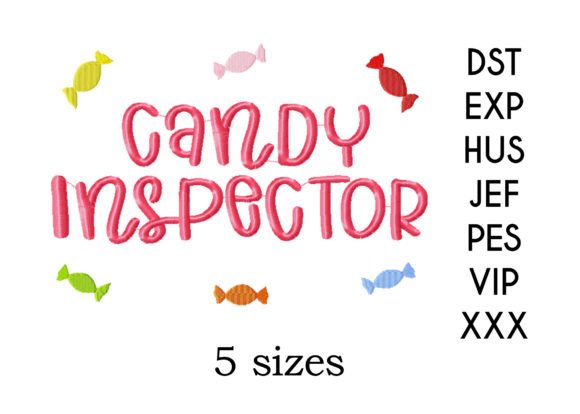
As an embroidery designer who spends more time with a hoop in hand than not, I am always on the lookout for designs that bridge the gap between novelty and genuine charm. When I first loaded the Candy Inspector machine embroidery design into my software, I was intrigued by its potential. The product description promises a unique and charming aesthetic, specifically targeting those who appreciate the whimsical side of Halloween. But as someone who creates personalized gifts for a living, I needed to know if this design holds up under the scrutiny of real-world application. Is it just a cute graphic, or is it a viable asset for a small shop product line?
First Impressions: Charm Beyond the Spook
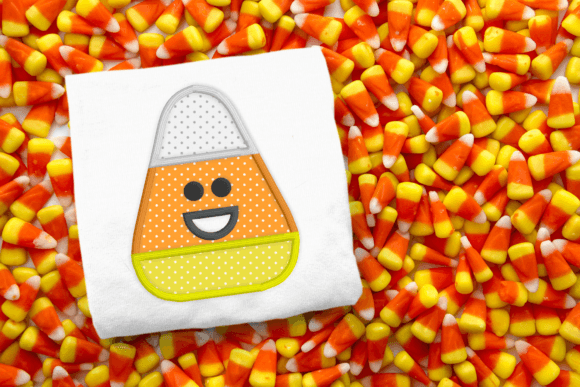
The immediate mood of the Candy Inspector is playful rather than terrifying. In the world of seasonal decor, there is a massive market for "soft Halloween"—designs that are festive without being gruesome. This embroidery file captures that sweet spot perfectly. It feels handmade and approachable, which is exactly what modern buyers are looking for. The detail level appears balanced; it is intricate enough to look professional but not so dense that it becomes stiff or heavy on the fabric.
For Etsy sellers and crafters, this emotional appeal is crucial. Customers are not just buying a stitch pattern; they are buying a feeling. Whether it is for a child’s treat bag or a decorative pillow, the design exudes a sense of fun. It does not scream "scary"; instead, it whispers "celebration." This makes it versatile for a wider audience, including parents who want festive items for their little ones that are safe and friendly in appearance.
From Costume to Keepsake: Versatile Applications
While the primary category is Halloween, the utility of this design extends far beyond a single night of trick-or-treating. In my test runs, I explored how this digital embroidery file could be adapted for various personalized gift categories. Here is how I envision it performing in a real customer scenario:
- Treat Bags and Totes: This is the most obvious application. Stitched onto a canvas tote or a muslin bag, the Candy Inspector becomes the centerpiece of a reusable trick-or-treat container. It adds value to a simple fabric bag, turning it into a custom embroidery piece that can be used year after year.
- Apparel and Costumes: For those creating scary costumes or festive outfits, this design works beautifully on denim jackets or cotton shirts. However, care must be taken with stretchy fabrics. I recommend using a cut-away stabilizer to ensure the design remains stable during wear and washing.
- Home Decor: Imagine this stitched onto a pillow cover for a seasonal living room refresh. The charm of the design translates well to home textiles, adding a touch of whimsy to autumn decor.
- Kitchen Textiles: An embroidered towel featuring the Candy Inspector could be a hit for fall-themed kitchen decor. It serves as a conversation starter and a functional handmade product.
Navigating Fabric and Technical Challenges
Every experienced embroiderer knows that a design is only as good as its execution. When working with the Candy Inspector, there are specific technical considerations to keep in mind to ensure a high-quality finished product.
Fabric Texture and Stabilizer Choice
The success of this design relies heavily on the fabric texture. On smooth cotton or linen, the details will pop. However, on textured fabrics like terry cloth towels or fuzzy fleece blankets, some of the finer lines might get lost. I strongly advise testing on scrap fabric first. If you are stitching on thick towels, you may need to adjust your tension and use a robust stabilizer to prevent puckering. For stretchy baby clothes or knit fabrics, a hoop size that securely holds the material without distorting it is essential.
Thread Colors and Contrast
Since this is a Halloween-themed design, color choice is critical. While traditional orange and black are classic, do not be afraid to experiment. Pastel thread colors can give the Candy Inspector a modern, soft look suitable for nursery decor or baby embroidery. Conversely, high-contrast neon threads can make it stand out on dark fabric. Always check thread color contrast against your base material. A printable mockup can help visualize these combinations before you commit to stitching.
Stitch Density and Detail
Review the stitch density in your embroidery software. If the design is too dense for lightweight fabric, it may cause wrinkling. If it is too sparse, the background fabric might show through undesirably. Check small details after stitching a test run. If certain elements are too small to stitch cleanly at a reduced size, consider scaling the design appropriately for the intended hoop size.
Boosting Perceived Value and Customer Trust
For small business owners and handmade sellers, the perceived value of a product is paramount. A well-executed Candy Inspector design elevates a basic item into a premium personalized gift. When customers see clean, crisp stitching with no loose threads or puckering, their trust in your brand increases. This emotional connection leads to repeat business and positive reviews.
Product photography plays a huge role here. A well-lit photo of the finished product, perhaps styled with autumn leaves or candy props, can significantly boost buyer engagement. Show the design in context—on a cozy blanket embroidery project or a stylish apron. This helps the customer visualize the item in their own life, making the purchase decision easier.
Important Considerations for Commercial Use
Before you start listing items on your online store, there are administrative steps you must take. First, confirm commercial licensing. The product description mentions that the design comes with multiple embroidery files, but it does not explicitly state the license terms. Always verify whether you have the right to sell finished products made with this digital embroidery file. Most designers offer a commercial license, but it is your responsibility to read the terms.
Additionally, since specific technical details like exact stitch count and file formats are not fully detailed in the brief description, you should check these specifications before purchase. Ensure the file format is compatible with your machine. Whether you are a wedding gift designer looking for seasonal accents or a baby product creator aiming for festive newborn items, knowing the technical limits of the file is crucial.
Final Verdict: A Sweet Addition to Your Portfolio
In conclusion, the Candy Inspector is a delightful addition to any embroidery designer’s library. It offers the flexibility to be used for everything from custom embroidery on apparel to decorative home goods. Its charm lies in its ability to be both festive and timeless. By paying attention to fabric texture, stabilizer choice, and thread colors, you can create stunning handmade products that resonate with customers.
For Etsy sellers and craft fair vendors, this design offers a fresh take on Halloween decor that avoids the cliché. It invites creativity and allows for personalization, which is the heart of the handmade movement. Whether you are stitching for a family keepsake or building inventory for your small shop, the Candy Inspector proves that sometimes, the sweetest designs are the ones that bring a smile to everyone’s face.
Remember to always test on scrap fabric, respect the nuances of different materials, and celebrate the joy of creating something unique. Happy stitching!