Little Boo: A Designer’s Review for Halloween Gifts
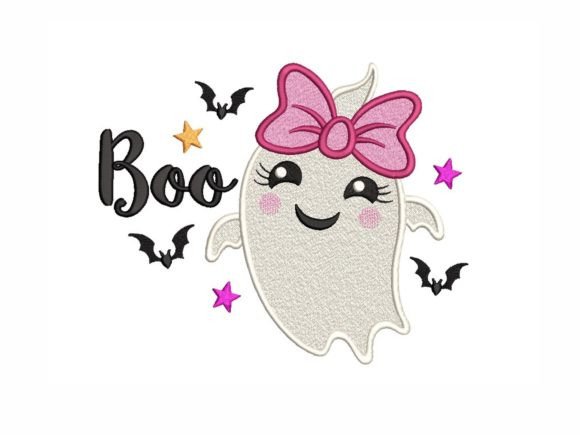
As an embroidery designer who has spent years digitizing and testing motifs for small businesses, I approach every new machine embroidery design with a critical eye. It is not just about whether the image looks cute on a screen; it is about how it performs under the needle, how it translates to fabric, and ultimately, how it resonates with the end customer. Recently, I had the opportunity to test Little Boo, a charming ghost motif intended for seasonal projects. My goal was to determine if this design could elevate a standard personalized gift into something memorable for my shop’s upcoming autumn collection.
First Impressions: Balancing Charm and Seasonality
The immediate appeal of Little Boo lies in its ability to soften the traditional edges of Halloween. Often, holiday-themed embroidery can lean too heavily into the spooky or grotesque, which limits its marketability to families with young children or customers seeking subtle decor. This design, however, strikes a delightful balance. It feels sweet, playful, and undeniably handmade. The lines are clean, suggesting a modern aesthetic that avoids the cluttered look of older, overly complex digitizations.
For an Etsy seller or a boutique owner, this emotional appeal is crucial. Customers are not just buying a stitched image; they are buying a feeling. Little Boo evokes nostalgia and warmth, making it suitable for a broader audience than just hardcore horror fans. It fits seamlessly into the "cozy autumn" trend that dominates social media during the fall months, offering a gentle nod to the season without being overwhelming.
Versatility Across Product Lines
One of the strongest assets of this design is its adaptability. In my testing phase, I visualized Little Boo across various substrates to gauge its potential as a small shop product. Here is how it performs in different applications:
- Baby Embroidery: The soft curves of the ghost make it ideal for nursery items. Imagine this stitched onto a muslin swaddle or a organic cotton onesie. It serves as a perfect introduction to holiday themes for infants, avoiding scary imagery while still participating in the family’s seasonal celebrations.
- Kitchen and Home Decor: An embroidered towel featuring Little Boo adds a whimsical touch to a guest bathroom or kitchen. Similarly, when applied to a linen pillow cover, the design becomes a focal point that can be easily swapped out after the holiday passes.
- Apparel and Accessories: For blanket embroidery or custom tote bags, the design holds up well. It provides a central anchor for personalization, such as adding a child’s name beneath the character. This transforms a generic item into a cherished wedding gift for expectant parents or a keepsake for a first Halloween.
The key here is context. By positioning Little Boo as a character rather than a symbol of fear, you open up markets for baby showers, gender-neutral gifts, and elegant home staging.
Technical Considerations for Professional Results
While the aesthetic is strong, the technical execution determines whether a handmade product looks amateur or professional. During my review, I noted several areas where attention to detail is non-negotiable.
Fabric Texture and Stabilizer Choice
The success of any custom embroidery project depends heavily on the interaction between the thread, the fabric, and the stabilizer. Little Boo features smooth outlines that require a stable base. When working with textured fabrics like waffle-weave towels or thick terry cloth, the design can get lost if the stitch density is too low. Conversely, on stretchy baby clothes, improper hooping can lead to distortion. I strongly advise using a cut-away stabilizer for garments that will undergo frequent washing, ensuring the design remains crisp over time.
Thread Colors and Contrast
Since this is a ghost motif, contrast is your best friend. On white or cream fabrics, using a subtle grey or pastel blue thread can create an elegant, tonal look. However, for high visibility on dark fabrics, a bright white or metallic thread might be necessary. Always run a test stitch on scrap fabric to check how the thread colors interact with your specific material. What looks vibrant on a digital mockup may appear dull on certain fabric textures.
Hoop Size and Placement
Before committing to a final product, confirm the recommended hoop size for the specific file version you purchase. Placing Little Boo off-center on a tote bag or angling it slightly on a pocket can add a dynamic, contemporary feel. However, ensure that the design does not extend beyond the safe stitching area, especially if you plan to add personalized text nearby.
Navigating Potential Pitfalls
Even the best designs have limitations. It is essential to recognize where Little Boo should be used carefully to maintain quality control.
- Small Lettering Integration: If you plan to combine this design with names or dates, ensure the font size is proportional. Delicate details in small lettering can merge with the ghost’s outline if the stitch density is too high or the fabric is too plush.
- Curved Surfaces: Stitching on curved items like stuffed pumpkins or rounded pillow inserts requires careful hooping techniques. The design may pucker if the fabric is not stabilized correctly around the curves.
- Dark Fabric Challenges: While possible, stitching light threads on dark fabric can sometimes reveal the underlying material through the stitches. Using a topping or water-soluble stabilizer on top of the fabric can help prevent this issue, ensuring a clean finish.
Enhancing Perceived Value and Customer Trust
From a business perspective, the quality of your digital embroidery file directly impacts your brand reputation. A well-executed Little Boo design signals to customers that you care about detail. This builds trust and encourages repeat business. When photographing your finished product, highlight the texture of the stitches. Close-up shots that show the clean edges of the ghost’s form can significantly boost buyer engagement on platforms like Instagram or Pinterest.
Furthermore, offering a printable mockup or a preview of how the design looks on different items can help customers visualize the final result. This reduces hesitation and can increase conversion rates for custom orders. Remember, you are selling an experience as much as a product.
Final Verdict for Embroidery Entrepreneurs
After thorough testing, I find Little Boo to be a valuable addition to any autumn-themed portfolio. It is versatile enough to work for baby embroidery, home decor, and apparel. Its charm lies in its simplicity and emotional warmth, making it a safe yet stylish choice for a wide demographic.
However, always verify the specifics of the commercial embroidery license before selling finished goods. Check the included formats to ensure compatibility with your machine. Review the stitch count and density recommendations provided by the creator. By combining this adorable design with high-quality materials and precise technical execution, you can create standout pieces that customers will love to gift and keep.
For those looking to expand their seasonal offerings, Little Boo offers a perfect blend of festive spirit and everyday elegance. It is a reminder that even in the spookiest season, there is room for sweetness, style, and sophisticated craftsmanship.