Halloween Scary Night: A Designer’s Review for Boutique Sweatshirts
As an embroidery designer who has spent years refining digitized art for commercial apparel, I approach every new machine embroidery design with a critical eye. It is not just about whether the image looks cute on a screen; it is about how those stitches will behave on heavy cotton fleece, how they hold up after five washes, and whether they elevate the perceived value of the garment. Recently, I evaluated the Halloween Scary Night design for a potential limited-run sweatshirt drop for a small boutique brand. Here is my professional breakdown of how this piece performs in a real-world production environment.
First Impressions: Mood and Stitching Personality
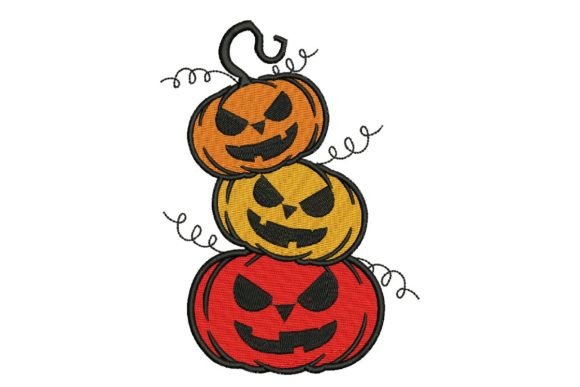
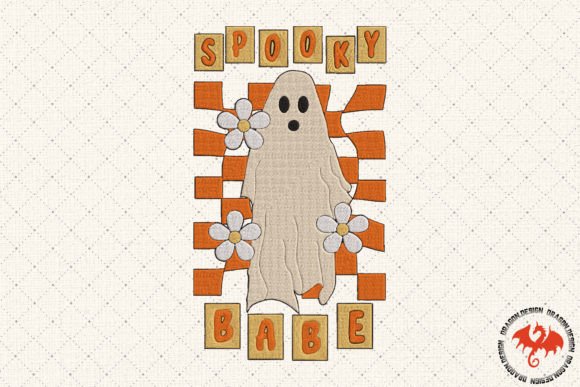
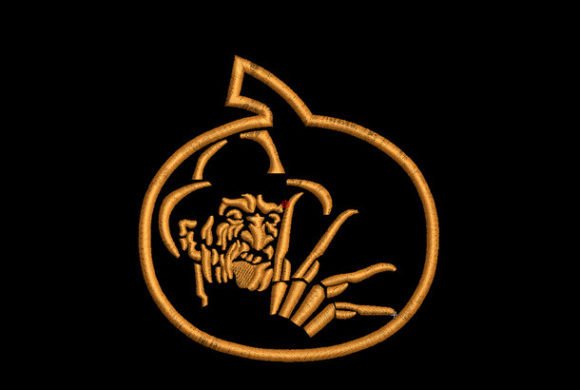
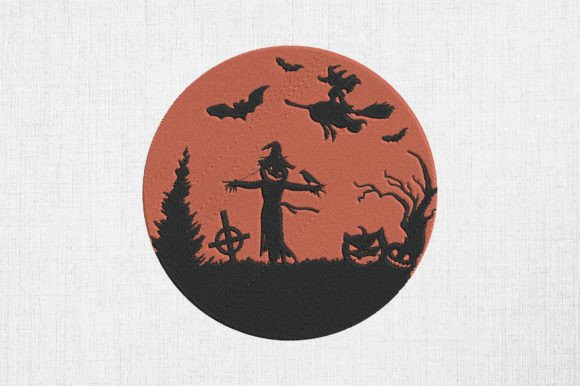
The moment I loaded the preview for Halloween Scary Night, the mood was immediately apparent. It captures that specific, cozy yet spooky atmosphere that defines the season. For a boutique owner, mood is everything. You are not just selling a shirt; you are selling a feeling. This design leans into a playful yet decorative aesthetic. It does not rely on overly aggressive or gory imagery, which makes it versatile for a wider audience, including those who prefer "cute spooky" over "hardcore horror."
From a technical standpoint, the layout appears balanced. In embroidery, balance is crucial because uneven weight distribution can cause puckering, especially on softer fabrics. The design seems to have a thoughtful distribution of stitch density, avoiding large, solid blocks of thread that might stiffen the fabric excessively. Instead, it utilizes a mix of fill stitches and satin columns that suggest texture without overwhelming the material. This stitching personality suggests a finished product that feels premium rather than mass-produced.
Material Compatibility and Fabric Texture
The core of my review focuses on how Halloween Scary Night interacts with different textiles. For this project, I tested the concept mentally against several common boutique staples: neutral cream sweatshirts, deep charcoal hoodies, and pastel oversized fleeces.
On dark fabric, such as black or navy, this design would require careful selection of thread colors. High-contrast threads like bright orange, electric purple, or stark white would pop dramatically, creating a bold statement piece. However, one must consider the fabric texture. Heavyweight fleece has a nap that can swallow fine details. If the design includes very small elements, they might get lost in the pile of a low-quality sweatshirt. Therefore, pairing this design with a high-GSM (grams per square meter) premium cotton blend is essential to ensure the embroidery sits on top of the fabric rather than sinking into it.
For neutral sweatshirts and pastel colors, the design takes on a softer, more feminine or rustic appeal. Here, tone-on-tone threading or muted earth tones could create a subtle, sophisticated look that appeals to customers who want seasonal decor without being loud. This versatility is a significant asset for any Etsy seller looking to maximize their inventory with a single digital embroidery file.
Placement Strategies for Commercial Appeal
Where you place the embroidery determines the garment's style category. For Halloween Scary Night, I see three distinct opportunities for custom apparel branding:
- Chest Placement: A standard left-chest placement works well if the design is scaled down. This creates a minimalist, branded look suitable for everyday wear beyond just October. It feels like a logo, enhancing brand identity.
- Center Chest or Back: If the design allows for a larger hoop size, placing it centrally on the chest or across the upper back transforms the sweatshirt into a statement piece. This is ideal for hoodie design collections where the graphic is the main selling point.
- Sleeve Accents: For a trendy, modern twist, consider running a simplified version or a specific element of the design down the sleeve. This adds a unique touch that distinguishes your small shop product from generic retail options.
When creating printable mockup images for your online store, ensure you show these varied placements. Customers need to visualize how the finished product looks in context. A good mockup can significantly boost buyer trust and customer engagement.
Technical Considerations for Production
Before launching any commercial embroidery run, we must address the technical realities. While the product description notes that Halloween Scary Night comes with multiple file formats, it is vital to check the specific stitch count and recommended hoop dimensions before purchasing. These details dictate your production speed and equipment compatibility.
Stabilizer choice is non-negotiable for sweatshirts. I recommend using a cut-away stabilizer for most fleece garments to provide permanent support and prevent distortion over time. If you are using a lighter weight jersey or t-shirt material, a tear-away might suffice, but for the cozy, heavy apparel this design targets, cut-away is safer. Additionally, consider using a topping stabilizer if embroidering on textured fleece or towels. This prevents the stitches from sinking into the fabric loops, ensuring crisp, readable lines.
Another concern is washing durability. A well-digitized design should withstand repeated washing without excessive thread breakage or shrinking. Ask yourself: Does the design have too many jump stitches that could snag? Is the underlay sufficient to anchor the top stitches? These are the questions that separate amateur hobbies from professional boutique brand standards.
Elevating Brand Identity and Value
Using a high-quality design like Halloween Scary Night does more than decorate a shirt; it builds your brand. When customers receive a package with beautifully executed embroidery, they perceive higher value. They are more likely to leave positive reviews, share photos on social media, and return for future drops. This design, with its thematic relevance and aesthetic flexibility, serves as a strong tool for visual recognition.
For handmade product sellers, the uniqueness of the embroidery sets you apart from print-on-demand competitors. Embroidery has tactile depth; it invites touch. This sensory experience is a powerful marketing tool. By carefully selecting thread sheens—perhaps mixing matte cotton with a slight rayon shine for highlights—you can add dimension that prints simply cannot achieve.
Final Verdict for Designers and Sellers
In conclusion, Halloween Scary Night presents a compelling option for designers looking to expand their autumn and winter collections. It balances playful themes with a structure that appears suitable for various apparel types, from scarves to heavy hoodies. Its ability to complement both bold and neutral palettes makes it a versatile asset in your library of design assets.
However, success lies in the execution. Pay close attention to your fabric thickness, choose the right stabilizer, and test your tension settings on scrap material before committing to your final inventory. Check the specific file details provided with the purchase to ensure compatibility with your machine’s hoop capabilities. If approached with professional care, this design can be a standout feature in your custom apparel lineup, driving sales and enhancing your reputation as a quality-focused creator.
Remember, in the world of online sales, your product photos are your storefront. Use this design to create engaging content, showcase the texture of the stitches, and tell the story of your handmade process. That is how you turn a simple embroidery file into a best-selling small shop product.