Little Chicks: A Designer’s Review for Craft Fair Success
As an embroidery designer who has spent countless weekends behind a booth table, I know that the difference between a browsing customer and a buying customer often comes down to immediate visual appeal. When I first loaded the Little Chicks machine embroidery design into my software, my primary question was not just about aesthetics, but about viability. Does this design have the staying power to become a staple craft fair product? After reviewing the details and imagining it on various textiles, I can confidently say that this design hits a sweet spot for handmade market sellers.
First Impressions: Adorable Accents with Broad Appeal
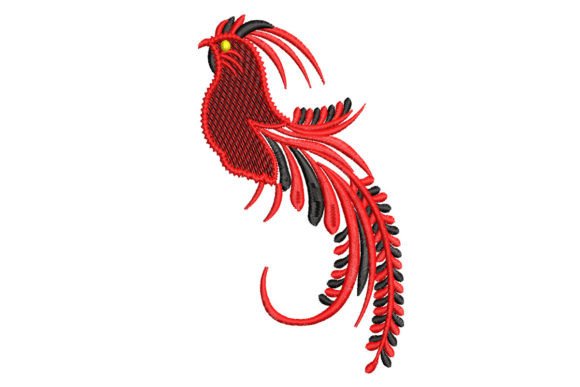
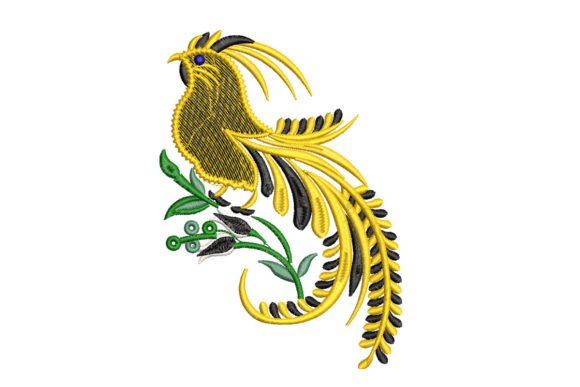
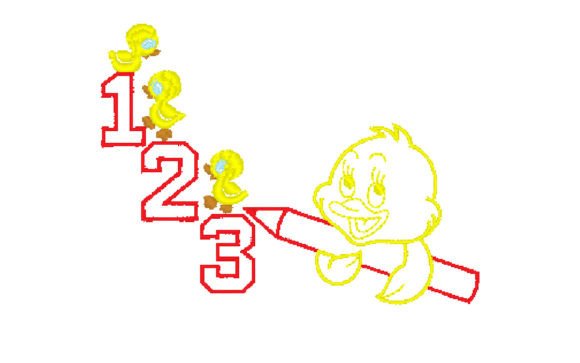
The product description notes that this pretty embroidery gives a nice look to your fabrics, and I found this to be an understatement. Little Chicks exudes a soft, rustic charm that fits seamlessly into the current trend of farmhouse and cottage-core aesthetics. It is not overly complex, which is a significant advantage. In a busy craft fair environment, customers scan tables quickly. A design that is instantly recognizable as cute and approachable stops them in their tracks. This is not a heavy, dense piece of art; it is a unique bird embroidery meant to serve as an adorable accent. For a seller, this means versatility. It does not scream for attention with aggressive colors or massive scale, but rather invites the viewer in with warmth and simplicity.
Product Applications: Where Little Chicks Shines
To maximize sales, you must pair the right design with the right substrate. Based on the nature of this Birds category design, here is how I would deploy it in a real-world booth scenario.
- Tote Bags and Market Bags: This is arguably the strongest application. A tote bag design needs to be visible from a distance. Placing Little Chicks on a natural canvas tote creates an instant emotional connection. It transforms a utility item into a handmade product with personality.
- Tea Towels and Aprons: Kitchen linens are high-volume sellers. The tea towel embroidery potential here is huge because the design likely avoids excessive bulk, which is crucial for items that need to lie flat. Similarly, apron embroidery benefits from a focal point that is cheerful but not distracting. A single chick or a small cluster on the bib of an apron adds perceived value without overwhelming the garment.
- Embroidered Patches: If you are looking to create low-cost impulse buys, consider stitching this onto twill backing to create an embroidered patch. Patches are easy to display and allow customers to customize their own jackets or bags later.
- Caps and Pouches: While possible, these require more caution. Curved surfaces can distort designs if the hoop size and stabilization are not perfect. However, a small version of this design on a canvas pouch makes for an excellent gift-with-purchase or add-on item.
Production Practicality for the Small Shop Product
For any Etsy seller or boutique maker, time is money. One of the most appealing aspects of Little Chicks is its likely efficiency. While the description mentions it comes with multiple embroidery files, implying various sizes, the core concept suggests a manageable stitch count. This is vital for batch production. You do not want a design that ties up your machine for forty-five minutes per unit if you plan to sell fifty units at a fair.
Furthermore, the design’s clarity is a major asset. It photographs beautifully for online listings. When creating a printable mockup or taking photos for your digital storefront, simple shapes with clear outlines tend to pop more than intricate, muddy details. This design allows you to showcase the texture of the thread against the fabric, highlighting the quality of your finished product.
Careful-Use Notes and Technical Considerations
Even the best digital embroidery file requires technical diligence. Here are specific areas where you must exercise caution to maintain professional standards.
Fabric Texture and Density: The description highlights that this design works on any fabric that needs an accent. However, textured towels can swallow small stitches. If you are using terry cloth, ensure you use a cut-away stabilizer to prevent puckering. On smooth cottons, a tear-away may suffice, but always test first.
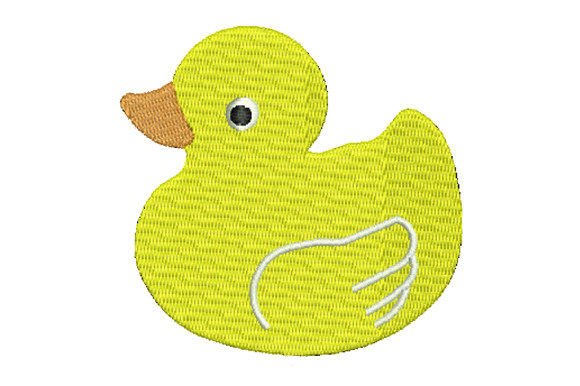
Thread Colors and Contrast: Since this is a bird design, color selection is critical. Yellow chicks on white fabric will vanish. You must ensure high contrast. Use dark or vibrant background fabrics, or outline the design with a contrasting thread color to define the shape. This is especially important for commercial embroidery where brand consistency matters.
Size Limitations: Be wary of shrinking this design too much. Tiny details can lose clarity if the stitch density is not optimized for smaller scales. If the design includes any minute features, they may merge into a blob at very small sizes. Always stitch out a test sample on scrap fabric before committing to your final inventory.
Enhancing Visual Appeal and Buyer Engagement
How does Little Chicks affect your bottom line? It enhances visual appeal by adding a narrative element. Customers are not just buying a towel; they are buying the feeling of spring, renewal, or nostalgia. This emotional hook increases buyer engagement. When your booth display features consistent, high-quality design assets like this, it builds trust. It signals that you are a serious creator who cares about detail.
Moreover, this design supports brand consistency. If your shop focuses on nature-inspired or homey goods, Little Chicks reinforces that identity. It is not a random addition; it is a cohesive part of your collection. This coherence makes your booth look curated and professional, encouraging customers to spend more time browsing.
Final Designer Recommendations
Before you launch this as a key small shop product, follow these steps to ensure success:
- Test on Scrap Fabric: Never skip this step. Check for registration issues and thread breaks.
- Check Thread Contrast: Ensure the colors pop against your chosen fabric backgrounds.
- Review Spacing: Make sure elements within the design are not too close together, which can cause thread nesting.
- Confirm Hoop Size: Verify that the design fits comfortably within your standard hoops to minimize re-hooping time.
- Inspect Stitch Density: Look for areas that might be too dense for lightweight fabrics, causing stiffness.
- Create Real Mockups: Photograph the actual stitched item, not just a digital render, to show true texture.
- Compare Fabric Colors: Test the design on at least three different fabric shades to see which sells best.
- Confirm Commercial Licensing: The description states it is a machine embroidery design, but always verify the license terms provided with the embroidery file to ensure you are cleared for selling finished goods.
In conclusion, Little Chicks is a strong contender for your upcoming craft fair season. It balances aesthetic charm with production practicality. By paying attention to fabric choice, stabilization, and color contrast, you can turn this simple bird motif into a profitable line of handmade treasures. Whether you are an experienced Etsy seller or a new creative entrepreneur, this design offers the reliability and appeal needed to stand out in a crowded market.