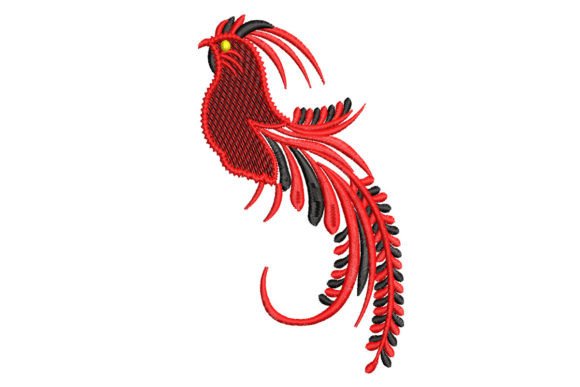
Roaster Bird: A Designer’s Review for Craft Fair Success
As an embroidery designer who has spent countless hours behind the hoop and even more time standing behind a craft fair table, I look at every new machine embroidery design with a critical eye. It is not just about whether the stitches are pretty; it is about whether the design will stop a scrolling thumb on Instagram or make a shopper pause at my booth. Today, I am reviewing Roaster Bird, a design that promises high-quality output with beautiful satin stitch detailing. For those of us running small shops, selling on Etsy, or preparing for the weekend market circuit, understanding how a design like this performs in the real world is crucial.
First Impressions: Bold, Rustic, and Market-Ready
The title Roaster Bird immediately evokes a specific mood. It feels rustic, slightly humorous, and undeniably farmhouse-chic. In the current handmade market, customers are drawn to items that feel personal and have a touch of whimsy. This design does not aim for hyper-realism or delicate elegance; instead, it leans into a bold, graphic aesthetic. The description notes that it stitches out with a beautiful satin stitch, which suggests a smooth, glossy finish that catches the light nicely. This is a significant advantage for craft fair product displays, where texture and sheen can draw the eye from across the aisle.
When I visualize this in the Birds category, I see it appealing to home cooks, hosts, and anyone who appreciates kitchen humor. It is not just an Embroidery motif; it is a conversation starter. The simplicity of the concept means it is easy to understand at a glance, which is vital when you have only seconds to capture a potential buyer's attention.
Product Applications: Where Roaster Bird Shines
To maximize sales, we need to place this design on the right substrates. Based on its likely visual weight and style, here is how I would deploy Roaster Bird in a product lineup:
- Apron Embroidery: This is the most natural fit. A sturdy canvas or cotton apron with this design centered on the bib creates an instant bestseller. It appeals to the "grill master" or the holiday host.
- Tea Towel Embroidery: Kitchen towels are high-volume, low-cost items. If the design scales down well, it makes for an excellent accent on flour sack towels. However, one must be cautious with fabric texture; loose weaves can cause satin stitches to sink or pucker.
- Tote Bag Design: A heavy-duty canvas tote with this graphic creates a fun grocery or market bag. The bold lines of a satin stitch hold up well against the rougher texture of canvas.
- Embroidered Patch: If the design has a clean border, it can be digitized as a patch. Patches are incredible small shop product add-ons that allow customers to customize their own jackets or bags later.
- Pillow Covers: For a rustic kitchen nook, a neutral linen pillow with this bird adds character without overwhelming the space.
I would hesitate to use this on curved cap surfaces unless I am certain of the digitizing quality, as satin stitches can bridge poorly on highly curved areas. Similarly, while it could work on a pouch, the design needs to be large enough to retain its clarity.
Production Practicalities for the Busy Maker
For those of us producing in batches for Etsy seller accounts or local boutiques, efficiency is key. The mention of multiple embroidery file formats in the description is a relief, ensuring compatibility with various machine brands. However, before running a full batch, there are critical steps to take.
First, always test the design on scrap fabric that matches your final product. Check the stitch density. Satin stitches are gorgeous but can be dense. If the density is too high, it may cause perforation in lightweight fabrics or stiffness in hand towels. You must pair this with the correct stabilizer. For knit caps or stretchy tote materials, a cut-away stabilizer might be necessary to prevent distortion, whereas a tear-away might suffice for woven aprons.
Another consideration is thread colors. Since this is a "Roaster" bird, traditional browns, golds, and reds will likely be used. Ensure your thread palette has enough contrast to make the satin stitch pop. If the design is too monochromatic, it may look muddy from a distance. Creating a printable mockup or digital composite can help you visualize these color combinations before you thread up the machine.
Visual Appeal and Customer Engagement
In a crowded marketplace, Roaster Bird serves as a strong visual anchor. Its likely bold outlines and solid fill areas make it photograph well for online listings. High-contrast images perform better on social media, and a well-stitched satin design reflects light in a way that flat prints do not. This tactile quality increases the perceived value of the finished product.
When arranging your booth display, group items featuring this design together. Consistency builds brand recognition. If a customer sees the same charming bird on an apron, a towel, and a patch, they perceive a cohesive collection rather than random items. This strengthens your commercial embroidery brand identity.
Careful-Use Notes and Potential Pitfalls
While the design sounds promising, there are areas where caution is required. Satin stitches can be tricky on textured fabrics like waffle-weave towels. The stitches may not lay flat, losing that "beautiful" finish described. Always check the hoop size requirements. If the design is large, ensure your machine can handle the hoop without frequent re-hooping, which slows down production.
Additionally, be mindful of tiny details. If the bird has small eyes or beak details rendered in satin stitch, they may become bulky or lose definition if scaled down too far. If you plan to sell smaller items like coin purses, verify that the design remains legible at that size. Dark fabrics can also pose a challenge if the design relies on subtle shading; ensure your underlay stitches are sufficient to prevent the fabric color from showing through the top stitching.
Final Verdict for the Handmade Entrepreneur
Roaster Bird appears to be a solid addition to any designer’s library, particularly for those targeting the home and kitchen niche. It balances aesthetic appeal with practical application. To get the most out of this digital embroidery file, I recommend creating at least one real-world sample before committing to a large inventory. Compare different fabric colors to see which makes the satin stitch shine brightest.
Remember, while the design assets are valuable, your execution determines the sale. Check the commercial licensing terms provided with the download to ensure you are cleared to sell finished goods. With the right stabilizer, thread choice, and product placement, this design can become a staple in your handmade product lineup, driving engagement and sales at your next craft fair.