Review: Funny Skeletons on Halloween for Craft Fairs
As an embroidery designer who has spent countless weekends standing behind booths at local markets, I know that the difference between a browser and a buyer often comes down to visual impact. When I first loaded the Funny Skeletons on Halloween machine embroidery design into my software, my immediate reaction was one of relief. In a sea of generic spooky motifs, this design brings a personality that is essential for standing out in a crowded craft fair aisle. It is not just about stitching; it is about creating a craft fair product that stops people in their tracks.
First Impressions and Visual Appeal
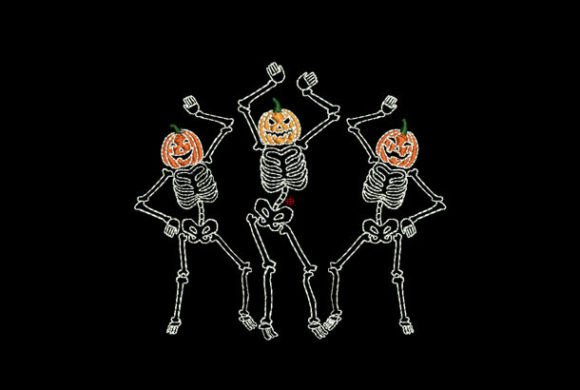
The title itself suggests a tone that is playful rather than terrifying, which significantly broadens the potential customer base. While some shoppers avoid anything too gory, almost everyone appreciates whimsical humor during the holiday season. The description notes that you can "decorate your clothes with this Halloween embroidery, and watch them come to life." This promise of animation through stitch work is compelling. Visually, the design feels bold yet approachable. It strikes a balance between festive and funny, making it suitable for a wide demographic, from children to adults who enjoy a lighthearted take on the holiday.
For an Etsy seller or boutique maker, this versatility is gold. The design does not scream "cheap novelty"; instead, it offers a curated look that fits well within modern handmade aesthetics. Whether you are aiming for a rustic farmhouse vibe or a clean, minimal modern style, the skeleton motif adapts surprisingly well depending on your thread choices. Using muted earth tones can make it feel vintage and soft, while high-contrast black and white threads give it a graphic, premium edge.
Product Versatility and Market Fit
The true test of any digital embroidery file is its adaptability across different substrates. The product description explicitly mentions that it looks great on costumes, home decor, and tote bags. From a production standpoint, I found this to be accurate. Here is how I envision this design performing across various handmade product categories:
- Tote Bags and Market Bags: This is arguably the strongest application. A tote bag design needs to be legible from a distance, and the bold lines of the skeletons work perfectly here. It transforms a simple canvas bag into a statement piece that customers can use throughout October.
- Aprons and Tea Towels: Kitchen textiles are huge sellers at fall markets. An apron embroidery featuring these funny skeletons adds a touch of humor to holiday cooking. Similarly, tea towel embroidery allows for a smaller placement, perhaps near the hem, creating a subtle but charming detail.
- Embroidered Patches: If you have the capability to create cut-out patches, this design is ideal. An embroidered patch can be sold as a standalone item or used to upgrade denim jackets and backpacks. The distinct outlines of the skeletons ensure they remain clear even when cut close to the stitch line.
- Caps and Headwear: While possible, this requires caution. Curved surfaces can distort designs. If you choose to embroider on caps, ensure the design is scaled appropriately so it does not wrap around the curve too aggressively, which could cause puckering.
Production Practicalities for Small Shops
For those running a small shop product line, efficiency is key. One of the strengths of Funny Skeletons on Halloween is its potential for batch production. The design appears to have a balanced stitch density—not so dense that it creates excessive pull on lightweight fabrics, but substantial enough to look high-quality. However, before committing to a large run, you must consider the technical details.
Since the description states the design comes with "multiple embroi" (likely implying multiple formats or sizes), you have the flexibility to adjust. But remember, scaling a design up or down manually can affect stitch integrity. Always check the recommended hoop size for each included format. If you are stitching on textured towels or thick denim, the interaction between the needle and the fabric texture becomes critical. Dense areas may require a sharper needle or a different topping stabilizer to prevent sinking stitches.
Photography is another major factor. Does the design photograph well? Yes. The contrast inherent in skeleton imagery makes it pop in photos, which is vital for your online listings. Creating a printable mockup or using high-quality design assets for your digital storefront can help customers visualize the final result. A clear, well-lit photo of the stitched design on a neutral background will perform better than a cluttered lifestyle shot where the details are lost.
Careful-Use Notes and Technical Advice
While the design is robust, there are pitfalls to avoid. Tiny details can get lost if the design is scaled down too much for small items like coin purses. If you plan to use it on dark fabric, ensure you are using high-quality rayon or polyester threads with good sheen to maintain visibility. Thread colors matter immensely here; a off-white or cream thread often looks more premium and "vintage" than stark bright white on dark backgrounds.
Additionally, always confirm the commercial licensing terms. As a commercial embroidery provider, you need to know if you are allowed to sell finished products made with this file. Most designers allow this, but it is crucial to read the specific license included with your purchase. Never assume. Also, verify the file formats provided to ensure they are compatible with your specific machine brand.
Designer’s Checklist for Success
Before you launch this as a flagship item for your booth, follow these practical steps to ensure quality control:
- Test on Scrap Fabric: Never stitch directly on your final product without a test run. Use the same type of fabric and stabilizer you intend to use for sales.
- Check Thread Contrast: Experiment with different thread combinations. Sometimes a surprising color choice, like orange on black or pastel on navy, can make the design feel unique.
- Review Spacing and Density: Inspect the back of the hoop. Excessive jumping threads or dense buildup can weaken the fabric over time.
- Confirm Hoop Size: Ensure the design fits comfortably within your hoop without hitting the edges, allowing for proper clamping.
- Create Real Mockups: Stitch one perfect sample for your display. A tangible finished product on your table draws more attention than a printed picture.
- Compare Fabric Colors: See how the design looks on natural cotton versus dyed fabrics. This helps you decide which inventory to stock.
In conclusion, Funny Skeletons on Halloween is a strong contender for your autumn inventory. It offers the right mix of humor, festivity, and technical feasibility. By paying attention to fabric choice, stabilizer selection, and presentation, you can turn this single embroidery file into a best-selling component of your craft fair strategy. It is not just about stitching a design; it is about creating a connection with the customer through a shared sense of fun and quality craftsmanship.