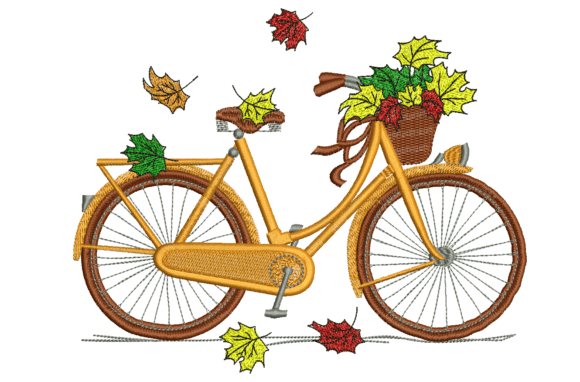
Fall Bike Embroidery Design: A Designer’s Real-World Review
As a designer who spends more time staring at stitch maps than actual fabric, I have learned that the difference between a good machine embroidery design and a great one often lies in the details that don’t show up in the thumbnail preview. When I first loaded the Fall Bike file into my software, I wasn’t just looking for a cute autumn motif. I was looking for structural integrity, visual balance, and versatility. This review is not about hype; it is about how this specific embroidery file performs when you move from the digital screen to the needle and thread.
First Impressions: Mood and Visual Personality
The original design is waiting for the mood to be created. That statement in the product description resonated with me because Fall Bike is not overly prescriptive. It captures the essence of the season without relying on clichéd, heavy-handed imagery. The layout features a bicycle, likely adorned with or surrounded by autumnal elements, creating a nostalgic and cozy vibe. From a design perspective, the shape feels balanced. It does not lean too heavily to one side, which is crucial when you are centering a design on a garment or a bag.
The visual personality of this piece is warm and inviting. It speaks to the slow living aesthetic that dominates the Autumn market. For Etsy sellers and craft business owners, this mood is sellable. It fits naturally into a lineup of products that emphasize comfort, tradition, and handmade quality. However, the true test is not how it looks on a white background in your shop preview, but how it translates into physical stitch density and thread interaction.
Real-World Application: The Tote Bag Test
To evaluate Fall Bike properly, I imagined a specific real-life scenario: a custom order for a set of canvas tote bags for a local farmer’s market vendor. This is a common request for small shop product creators. Canvas is a sturdy fabric, but it has a distinct texture that can swallow fine details if the stitch density is too low or the stitch types are inappropriate.
In this context, the design shines as a focal point. Placed centrally on the bag, the bicycle motif provides a charming anchor. If the design utilizes a mix of satin stitch for outlines and fill stitch for broader areas like leaves or the bike frame, it will hold up well against the rougher fabric texture of canvas. The key here is contrast. I would recommend using thread colors that pop against the natural beige or cream of the canvas—think burnt orange, deep mustard, or forest green. This ensures the finished product reads clearly from a distance, which is essential for retail displays.
Versatility Across Product Lines
Beyond tote bags, Fall Bike demonstrates strong potential across various embroidery project types. For custom apparel, such as a heavyweight sweatshirt, the design works beautifully on the left chest or as a larger back print. The nostalgic theme aligns perfectly with fall fashion trends. However, when moving to sweatshirt embroidery, you must consider the pile of the fabric. If the design has very fine running stitch details, they might get lost in the fleece. In such cases, using a topping stabilizer is non-negotiable to keep the stitches sitting on top of the fabric rather than sinking in.
For baby embroidery projects, such as a onesie or a burp cloth, the scale becomes critical. You must check the hoop size requirements. If the design is too large, it may overwhelm a small garment. Conversely, if scaled down too much, the intricate parts of the bike or the autumn leaves might merge into a blob of thread. Always test on scrap fabric first. This is a golden rule for any professional commercial embroidery work. A failed test on a cheap cotton scrap saves you from ruining expensive organic baby clothes.
The design also lends itself well to embroidered patch creation. Patches are trending, and an autumn-themed bike patch could be a bestseller for digital product sellers who offer both the file and the physical patch. When stitching on twill for patches, the dense nature of the base fabric supports higher stitch counts, allowing the details of Fall Bike to stand out sharply.
Technical Considerations and Pitfalls
While the design is versatile, there are areas where caution is required. The product description notes: "Be sure to use a fabric stabilizer." This is not just a suggestion; it is a requirement for maintaining the integrity of the design. Without proper stabilization, especially on stretchy fabrics like jersey knits or thin materials like linen tea towels, the design can pucker. Puckering destroys the professional look of a handmade product and can lead to negative reviews from customers who expect boutique quality.
Another consideration is the complexity of corners and small details. If Fall Bike includes tiny lettering or intricate spokes on the wheels, these areas are prone to thread breaks or nesting if the machine tension is not perfectly calibrated. For caps and curved surfaces, the design needs to be digitized with pull compensation in mind. If you are adapting this for a hat, ensure the design is not too wide, as it will distort around the curve of the crown.
Dark fabrics present another challenge. If you are stitching this on a navy or black hoodie, you cannot rely on subtle shading. You need high-contrast thread colors. I recommend running a black-and-white mockup in your embroidery software to see if the design holds its shape without color information. If the details disappear in grayscale, you may need to simplify the color palette or adjust the stitch angles to create more definition.
Enhancing Brand Value and Customer Trust
From a business standpoint, the choice of design assets like Fall Bike directly impacts brand consistency. For apparel decorators and boutique branding specialists, using cohesive, high-quality designs builds customer trust. A clean, well-stitched design signals professionalism. It tells the buyer that you care about the details. This perception increases the perceived value of the item, allowing for healthier profit margins.
Moreover, the seasonal nature of the design makes it ideal for limited-time offers. Creating a collection around holiday embroidery or fall harvest themes can drive engagement. Use printable mockup tools to showcase the design on various products before you stitch a single thread. This allows you to gauge customer interest and refine your marketing visuals. High-quality previews can significantly boost conversion rates for digital embroidery file sales or physical goods.
Final Verdict and Practical Advice
Fall Bike is a solid addition to any designer’s library, provided it is used with technical awareness. It is not a "load and go" file for every situation. It requires thoughtful selection of fabric, thread, and stabilizer. Before committing to a large batch of personalized gift items or small business merchandise, take the time to do a test run. Check the license terms carefully. Ensure that your intended use, whether for personal enjoyment or commercial resale, is covered. Most designers allow the sale of finished physical items, but restrictions on reselling the digital file itself are standard.
In summary, this design offers a charming aesthetic that fits well within the current market demand for cozy, autumnal decor and apparel. Its success in your craft business will depend on your execution. Pay attention to hoop size, respect the need for stabilizers, and choose your thread colors wisely. When treated with professional care, Fall Bike can become a staple in your seasonal offerings, delighting customers with its warmth and whimsical charm.